Want to know if can tree removal be covered by insurance? Read on to learn when your policy may pay for tree removal, what it excludes, and how to file a claim.
Can tree removal be covered by insurance?
Yes, in some cases, but it depends on why the tree needs to be removed and what your home insurance policy covers.
If a storm knocks a tree onto your roof, your insurer may pay for the damage and the cost of removing the fallen tree.
However, if you want to remove a healthy tree because it is too close to your house, you will usually need to pay for it yourself.
This difference matters when you face a large tree removal bill.
You may be dealing with a damaged roof, blocked driveway, or a tree that suddenly looks unsafe after a storm.
Before you spend money, check your policy and speak with your insurance company.
If you need professional help assessing a risky tree, a local tree removal Kingston service can help you understand your removal options.
Knowing what insurers look for can help you avoid unexpected costs and make better decisions about your property.
When Does Insurance Cover Tree Removal?
Home insurance generally covers tree removal when a covered event causes a tree to fall and damage insured property.
Covered events may include windstorms, lightning, or other events listed in your policy.
According to the Insurance Bureau of Canada, home insurance generally covers damage caused by fallen trees and may cover debris removal.
Your policy may cover tree removal in situations such as these:
- A tree falls on your house: Your insurer may pay for covered roof damage and removing the tree.
- A tree damages your garage or shed: Coverage may apply if the structure is insured.
- A fallen tree blocks your driveway: Some policies cover removal when the tree prevents access to your home.
- A storm damages a tree that falls on a fence or deck: Your insurer may cover the resulting damage and related removal costs, depending on your policy.
Remember, coverage limits and exclusions vary.
Your insurer must confirm what applies to your claim.
When Will Insurance Not Pay for Tree Removal?
Can tree removal be covered by insurance when a tree has not fallen?
Usually, routine tree removal is not covered because insurers treat it as property maintenance rather than damage caused by a covered event.
You will generally have to pay for removal in situations like these:
- Removing a healthy tree: You want more sunlight, extra yard space, or room for a home extension.
- Removing a dead or diseased tree: You need to remove a tree before it falls or causes damage.
- Cleaning up a fallen tree that damaged nothing: The tree fell onto your lawn but did not damage insured property or block access covered by your policy.
- Removing overgrown branches: You want to trim branches hanging over your roof as part of routine maintenance.
The Financial Consumer Agency of Canada explains that home insurance generally does not cover predictable events or routine maintenance costs.
There can be exceptions, so check your policy before assuming you must pay the full bill.
What If Your Neighbor’s Tree Falls on Your Property?
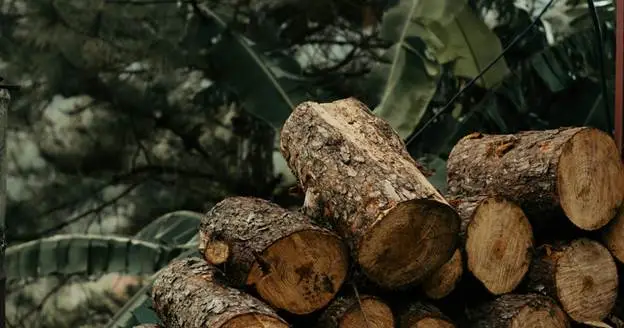
In many cases, your own home insurance covers damage when your neighbor’s tree falls on your house or another insured structure.
For example, imagine a storm blows a tree from your neighbor’s yard onto your garage.
You can usually start by contacting your own insurer rather than waiting for your neighbor to file a claim.
The Insurance Bureau of Canada explains that owning a tree does not automatically make someone responsible for storm damage.
However, negligence may change the situation.
For example, if your neighbor knew their tree was badly decayed and ignored repeated warnings, responsibility may become an issue.
Keep photographs of the damage and any relevant records.
Your insurer can explain how to proceed.
How Much Does Insurance Pay for Tree Removal?
There is no single amount that applies to every policy.
Your payout depends on your coverage, the cause of the damage, your deductible, and any limits for debris removal.
Some policies set a separate limit for removing fallen trees.
Others may apply specific conditions based on whether the tree damaged an insured structure or blocked access.
For example, if your covered removal cost is $1,500 and your policy has a $500 deductible, your insurer might pay $1,000, assuming no other limits or exclusions apply.
This is only an example.
Your actual payment may differ.
Before hiring a tree removal company, ask your insurer:
- What is the maximum amount available for tree removal?
- Does the limit apply per tree or per incident?
- Is the removal cost separate from the property damage limit?
- Do I need approval or an inspection before work begins?
- Does my deductible apply to the removal cost?
These questions can help you understand your likely out-of-pocket costs.
How to File an Insurance Claim for Tree Removal

If a tree falls and damages your property, take these steps to support your claim.
- Take photos: Record the fallen tree, damaged structures, and surrounding area before cleanup, if it is safe.
- Contact your insurer: Report the damage and ask whether your policy covers removal and repairs.
- Prevent further damage: Take reasonable steps to protect your property without putting yourself at risk. Keep receipts for emergency work.
- Get a written estimate: Ask a tree removal company to provide a detailed quote for removing the tree and clearing debris.
- Keep all records: Save invoices, photographs, inspection reports, and messages with your insurer.
- Wait for approval when possible: Ask whether the insurer needs to inspect the damage before you arrange non-emergency work.
The Texas Department of Insurance recommends photographing damage, making temporary repairs to prevent further harm, and contacting your insurer promptly.
If a tree is touching power lines, stay away and contact the local utility provider.
Do not try to remove it yourself.
Conclusion
So, can tree removal be covered by insurance?
Yes, especially when a covered event causes a tree to fall and damage your home or another insured structure.
But routine removal, preventive work, and clearing trees that cause no covered damage are usually your responsibility.
Before paying for removal, review your policy, document the situation, and speak with your insurer.
If you need help assessing a dangerous tree, a qualified tree care professional can explain the risks and recommend suitable next steps.
Taking these steps can help you protect your property, understand your coverage, and avoid paying costs that your insurance policy may cover.