Can physiotherapy cure nerve damage? Learn how physiotherapy supports nerve healing, reduces pain, and improves movement after nerve injuries.
Nerve damage can change your life in ways you don’t expect. You might feel numbness in your hands, sharp pain in your leg, or weakness when you try to move.
Simple tasks like walking, holding a cup, or typing can suddenly feel hard.
When this happens, many people start searching for answers. One common question is can physiotherapy cure nerve damage.
You might even start looking for a physiotherapist near me because you want help that actually works.
That’s a smart move. Physiotherapy often plays a big role in recovery from nerve injuries.
But there’s an important detail you should understand. Physiotherapy does not “cure” nerve damage in every case.
What it can do is support nerve healing, reduce pain, and help your body regain movement and strength.
Let’s look at how this works and what you can realistically expect.
Understanding Nerve Damage
Your nerves act like electrical wires in your body. They carry signals between your brain, spinal cord, and muscles.
When a nerve is damaged, those signals get disrupted.
This can lead to symptoms like:
- Numbness or tingling
- Burning or sharp pain
- Muscle weakness
- Loss of coordination
- Reduced sensation
Nerve damage can happen for many reasons, including:
- Injuries from accidents
- Herniated discs in the spine
- Diabetes-related neuropathy
- Compression of nerves
- Surgery complications
- Repetitive strain
According to the National Institute of Neurological Disorders and Stroke, peripheral neuropathy affects millions of people worldwide and can have many different causes.
This is why treatment plans vary from person to person.
So, Can Physiotherapy Cure Nerve Damage?
The honest answer depends on how severe the nerve damage is.
Nerves heal differently from muscles or skin. They grow slowly, often about 1 millimeter per day, according to research published by the Cleveland Clinic.
Physiotherapy helps by creating the right conditions for recovery.
It can:
- Improve blood flow to damaged nerves
- Strengthen weak muscles
- Reduce pressure on irritated nerves
- Improve mobility and coordination
- Prevent long-term stiffness or muscle loss
In mild or moderate nerve injuries, physiotherapy can lead to significant recovery.
In severe cases, it still plays a major role in improving function and reducing pain, even if full nerve repair is not possible.
Types of Nerve Injuries (Why Recovery Differs)
Doctors often group nerve injuries into three main levels. Understanding these can help you see why physiotherapy outcomes vary.
1. Mild Nerve Damage (Neuropraxia)
This is the least severe form.
The nerve remains intact but stops sending signals properly for a while.
Common causes include:
- Compression
- Mild trauma
- Temporary swelling
Recovery usually happens within weeks to months, especially with physiotherapy.
2. Moderate Nerve Injury (Axonotmesis)
In this case, the nerve fibers are damaged, but the outer structure remains.
Healing takes longer because the nerve must regrow.
Physiotherapy helps by:
- Keeping muscles active
- Preventing joint stiffness
- Training the body as nerves recover
Recovery may take several months.
3. Severe Nerve Damage (Neurotmesis)
This is the most serious type.
The nerve is completely cut or severely disrupted.
Surgery may be needed before physiotherapy begins.
Even then, physiotherapy is critical to help restore movement and coordination.
How Physiotherapy Helps Nerve Recovery
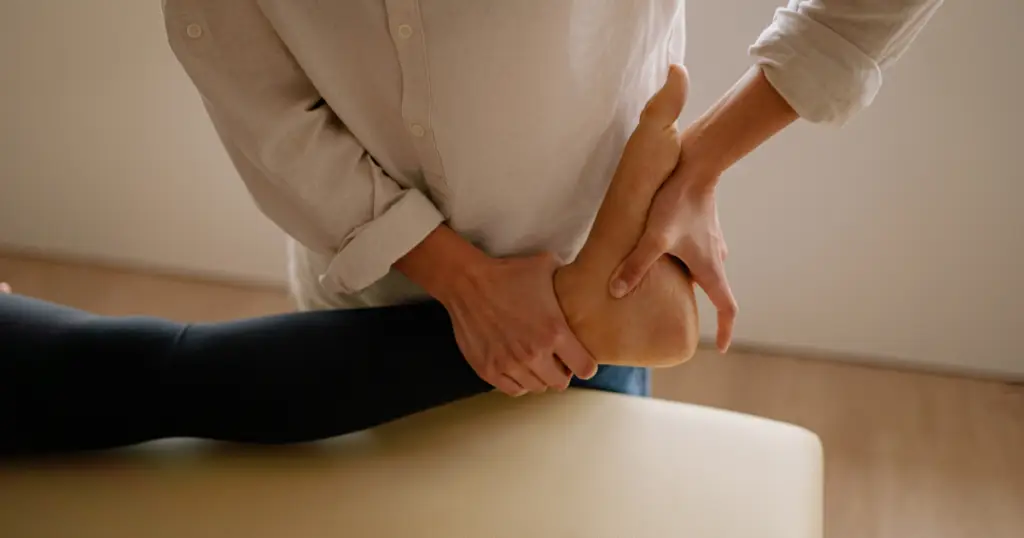
A skilled physiotherapist does more than guide exercises. They create a plan that helps your nervous system reconnect with your muscles.
Here are some common methods used.
Targeted Exercises
Controlled movements help retrain muscles affected by nerve damage.
These exercises focus on:
- Strength
- Coordination
- Balance
- Flexibility
For example, someone with a nerve injury in the leg may start with simple movements like:
- Assisted leg raises
- Gentle walking drills
- Balance training
Over time, exercises become more challenging.
Nerve Gliding Techniques
These are specialized movements that help nerves move freely through surrounding tissues.
When nerves get compressed or irritated, they can become stuck.
Nerve gliding exercises help:
- Reduce irritation
- Improve nerve mobility
- Decrease pain
They are commonly used for conditions like sciatica or carpal tunnel syndrome.
Pain Management Treatments
Nerve pain can feel sharp, burning, or electric.
Physiotherapy treatments may include:
- Manual therapy
- Electrical stimulation
- Ultrasound therapy
- Soft tissue release
Research published by the Journal of Orthopaedic & Sports Physical Therapy shows that targeted rehabilitation programs can significantly reduce pain and improve movement in people with nerve-related conditions.
Muscle Re-education
When nerves stop communicating with muscles, those muscles weaken quickly.
Physiotherapy helps retrain these muscles through:
- Guided movements
- Functional exercises
- Movement retraining
This process helps the brain relearn how to activate the muscle properly.
Conditions Where Physiotherapy Helps Nerve Damage
Physiotherapy is commonly used to treat many nerve-related problems.
Some of the most common include:
Sciatica
This happens when the sciatic nerve becomes compressed.
Symptoms often include:
- Pain in the lower back
- Shooting pain down the leg
- Numbness or tingling
Physiotherapy helps by improving spinal alignment and reducing nerve pressure.
Carpal Tunnel Syndrome
This condition affects the median nerve in the wrist.
Symptoms include:
- Hand numbness
- Tingling in fingers
- Weak grip strength
Therapy focuses on reducing wrist pressure and strengthening surrounding muscles.
Peripheral Neuropathy
Often caused by diabetes or nerve disorders.
Treatment aims to:
- Improve balance
- Reduce pain
- Strengthen muscles
The Mayo Clinic explains that physical therapy can help patients maintain movement and prevent muscle loss.
What Recovery Usually Looks Like
One thing people rarely hear is that nerve recovery takes patience.
You might not feel better overnight.
A typical recovery plan may include:
Week 1–4
- Pain reduction
- Gentle movement exercises
- Reducing inflammation
Month 2–3
- Strength training
- Improved mobility
- Nerve gliding techniques
Month 3 and beyond
- Advanced strength work
- Functional movement training
- Balance and coordination exercises
Every case is different, but consistency matters more than speed.
When Physiotherapy Works Best

Physiotherapy tends to be most effective when you start early.
Early treatment can:
- Prevent muscle wasting
- Improve nerve healing conditions
- Reduce long-term pain
You’ll also see better results when treatment is combined with other medical care if needed.
Doctors may recommend:
- Anti-inflammatory medications
- Surgery for severe nerve compression
- Lifestyle changes
If you live in Ontario, many people dealing with nerve pain seek professional care, such as physiotherapy Mississauga clinics, where rehabilitation programs are tailored to specific nerve injuries.
Signs Your Nerve Is Healing
Recovery often happens gradually.
Some signs your nerve may be improving include:
- Tingling sensations returning
- Reduced numbness
- Improved muscle strength
- Better coordination
- Less frequent pain
Sometimes tingling actually means the nerve is waking up again.
Your physiotherapist tracks these changes during treatment.
When to See a Physiotherapist
You should consider physiotherapy if you notice symptoms like:
- Persistent numbness
- Burning nerve pain
- Weakness in arms or legs
- Difficulty walking or gripping objects
- Loss of coordination
Early assessment helps prevent the problem from getting worse.
Many nerve conditions improve significantly when therapy begins before permanent muscle loss occurs.
Conclusion
So, can physiotherapy cure nerve damage?
In some mild cases, yes—especially when the nerve is compressed or irritated rather than severely injured.
In more serious situations, physiotherapy may not fully repair the nerve, but it can dramatically improve movement, strength, and pain levels.
The biggest benefit is helping your body relearn how to function while nerves recover.
With the right treatment plan, patience, and consistent therapy, many people regain much of their strength and mobility after nerve injuries.