Can pinball be for kids? Learn the best age to start, how pinball helps children build skills, and what parents should know before playing.
A child presses a button, watches a silver ball shoot across a colorful play field, and quickly taps the flipper to keep it in play. Within seconds, the whole family is cheering over a high score. That is part of what makes pinball fun for children and adults alike.
But can pinball be for kids, especially younger children who are still learning hand control and timing? In most cases, yes. Pinball can be a family-friendly activity that helps children practice focus, coordination, patience, and problem-solving. The right experience depends on the child’s age, the machine, and how comfortable they feel playing.
If you are planning a family outing, pinball can also be an enjoyable choice when comparing myrtle beach attractions. Still, it helps you to know what to expect before you take your child to an arcade or pinball museum.
From age and safety to learning benefits, a few simple details can help you decide whether pinball is right for your family.
What Age Can Kids Start Playing Pinball?
There is no single age when every child is ready to play pinball. Some children enjoy trying it at four or five, while others may find it easier when they are older.
Traditional pinball machines often have buttons on both sides of the cabinet. Players press these buttons to control the flippers, which hit the ball back into play.
For younger children, this can take practice. They need to watch the ball, react quickly, and press the correct button at the right time.
Here is a general guide for parents:
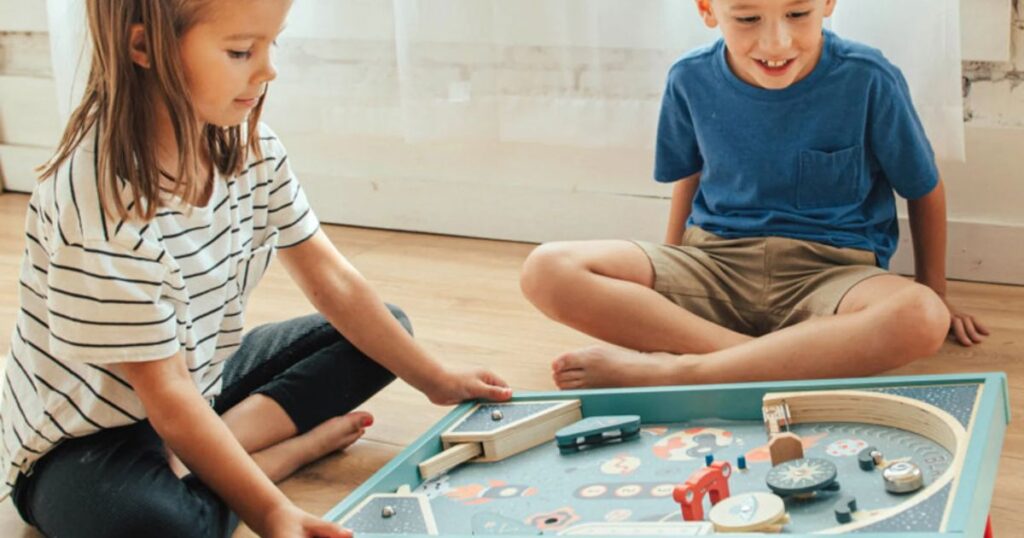
- Ages 3–5: Children may enjoy watching, trying the buttons with help, or playing simpler games designed for young kids.
- Ages 6–8: Many children can begin playing traditional pinball with adult guidance.
- Ages 9–12: Children may become more comfortable with timing, game rules, and longer rounds.
- Teens: Older children can often enjoy more complex machines and learn advanced playing skills.
These are only general suggestions, not strict age limits. Always check the venue’s rules and consider your child’s ability and interest.
Is Pinball Safe for Children?
Pinball can be a safe activity for children when they use the machine properly and follow the venue’s rules.
However, traditional pinball machines contain moving parts, electrical components, and heavy cabinets. Children should never open the machine, reach inside it, or try to retrieve a trapped ball themselves.
Keep these safety tips in mind:
- Use the buttons as intended. Teach children not to hit the machine or pull hard on its sides.
- Keep fingers away from moving parts. Do not let children reach beneath the play field or into openings.
- Watch younger players. Smaller children may need help reaching the controls or seeing the play field.
- Follow staff instructions. Stop playing if a machine appears damaged or behaves unusually.
- Take breaks. Long periods of standing and repeated button pressing can tire young children.
Parents should also consider noise levels. Some arcade machines have loud music, flashing lights, and sound effects. A quieter area or a short visit may be better for children who feel overwhelmed by noise.
What Skills Can Children Learn From Pinball?
Pinball is more than a game of luck. It gives children a chance to practice several useful skills while having fun.
1. Hand-Eye Coordination
Children watch the ball move and press the flipper buttons to keep it in play. With practice, they learn to connect what they see with how they move their hands.
This can help them practice coordination, although pinball should not be treated as a replacement for other physical activities.
2. Focus and Attention
The ball moves quickly, so players need to pay attention. Children learn to follow its movement and react when it approaches a flipper.
Short games can also give younger players a manageable way to practice staying focused on one activity.
3. Problem-Solving
Different targets, ramps, and bumpers can produce different results. Children may begin to notice which shots earn points or help them reach a game goal.
They can then try a new approach during the next round.
4. Patience and Resilience
Sometimes the ball drains before a child reaches a high score. That can feel disappointing, especially when they were close to winning.
Parents can use these moments to teach children that losing is part of playing. They can try again, learn from what happened, and enjoy the game without focusing only on the score.
Is Pinball Better Than Video Games for Kids?
Pinball and video games offer different experiences, so one is not always better than the other.
Traditional pinball gives children a physical machine with real buttons, moving parts, and a ball that responds to movement and gravity. Video games often offer more complex stories, digital worlds, and different types of challenges.
Pinball may be a good choice if you want your child to:
- Practice quick reactions.
- Enjoy a game away from a screen.
- Play alongside parents or siblings.
- Learn to take turns and follow rules.
Video games may be better suited to other interests, such as building virtual worlds or solving story-based puzzles.
The best choice depends on your child’s age, interests, and the balance of activities in their day. Pinball can be one enjoyable option alongside outdoor play, reading, and other family activities.
How Can Parents Make Pinball Fun for Kids?
You do not need to turn every game into a competition. For younger children, the goal should be to enjoy the experience and learn at their own pace.
Try these ideas:
- Start with an easy machine. Choose a game with large targets and rules your child can follow.
- Show them how the buttons work. Let them practice pressing each flipper button before starting.
- Play together. Take turns and celebrate good shots instead of focusing only on high scores.
- Set a budget. If the arcade charges per game, decide how much you will spend before playing.
- Keep the visit short at first. A few rounds may be enough for a young child.
- Let your child choose. Some children love fast games, while others prefer machines with colorful themes or easier targets.
If your child becomes frustrated, offer a break or switch to another activity. The aim is to make pinball an enjoyable part of the day, not another task they have to complete.
Frequently Asked Questions
- Can a 5-year-old play pinball?
Yes, many five-year-old can try pinball with adult supervision. A simpler machine may be easier for them to enjoy than one with complex rules or fast-moving action.
- Is pinball too difficult for young kids?
Some machines can be challenging because the ball moves quickly and the controls require timing. Start with a simple game, demonstrate how it works, and let your child learn at their own pace.
- Should parents supervise children while playing?
Yes, especially younger children. Supervision helps them use the machine safely, follow venue rules, and get help if a machine stops working.
Conclusion
So, can pinball be for kids? Absolutely. With an appropriate age machine, sensible safety rules, and a little patience, pinball can be an enjoyable activity for children and their families.
Kids can practice coordination, focus, problem-solving, and patience while sharing a game with parents or siblings. The key is to choose a suitable machine, keep play sessions comfortable, and make fun more important than winning.
Whether you try pinball at a local arcade or include it in a family outing, it can offer a welcome change from the usual activities. Start with a few rounds, see how your child responds, and let the fun build from there.