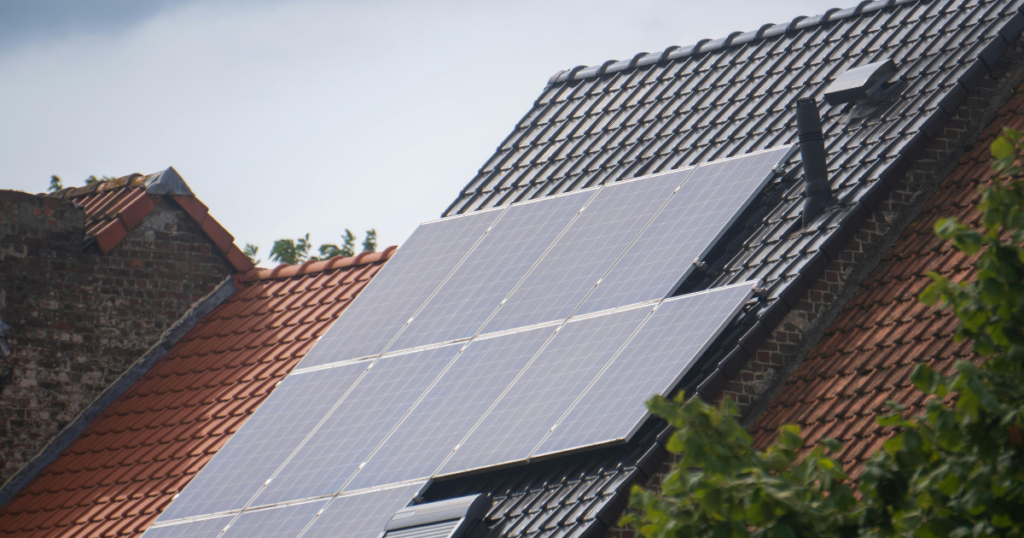
Can solar panels charge through a window? Learn how glass affects solar power, charging speed, and the best conditions for indoor solar charging.
You place a small solar panel on your windowsill on a sunny afternoon. Sunlight hits the glass, passes through, and reaches the panel.
But will it generate enough electricity to charge your device? You may not be sure.
That’s what raises a common question: can solar panels charge through a window?
Well, the answer is yes because solar panels can generate electricity from sunlight that passes through glass.
However, they usually produce less power indoors than they would outside.
The type of glass, window coating, sunlight angle, shade, and time of day all affect the results.
This matters if you want to use a small solar panel to charge a battery, power a sensor, or run a small device indoors.
For larger home installations, Alberta Solar Advisors provides information that can help homeowners understand residential solar systems and what affects their performance.
Let’s look at what happens when sunlight passes through a window and reaches a solar panel.
Can Solar Panels Work Through Glass?
Yes. Solar panels use photovoltaic (PV) cells to convert light into electricity. These cells do not need direct contact with outdoor air or an open sky to work.
When sunlight reaches the cells, it creates an electrical current. Some sunlight passes through a window, so the panel can still generate electricity indoors.
However, not all light that reaches a solar cell becomes electricity. Some light reflects off the surface, while some passes through or becomes heat.
According to the U.S. Department of Energy, the amount and wavelength of light reaching a solar cell affect how much electricity it can produce.
This explains why a panel behind glass can work but may deliver less power than the same panel placed outside.
Why Does Glass Reduce Solar Panel Efficiency?
Glass allows some sunlight through, but it also reflects and absorbs part of that light. As a result, less energy may reach the solar cells.
The type of window makes a difference.
Here are some common window features that can affect solar charging:
- Double or triple glazing: Multiple glass panes can reduce the amount of sunlight that passes through.
- Tinted glass: Dark or reflective windows can block part of the incoming sunlight.
- Low-emissivity coatings: These coatings control heat transfer and can also change how much solar energy passes through the window.
- Solar-control coatings: Some windows are designed to reduce the sun’s heat and may limit the solar energy reaching an indoor panel.
The U.S. Department of Energy’s guide to window types and technologies explains how different coatings affect daylight and solar heat gain.
A panel behind clear glass may therefore perform better than one behind heavily tinted or reflective glass.
How Much Electricity Can a Solar Panel Generate Through a Window?
There is no fixed percentage of power loss for every window. Your actual results depend on several conditions.
1. Window direction
A window that receives strong sunlight for several hours may produce better results than one that stays shaded most of the day.
2. Type of glass
Clear glass generally allows more visible light through than heavily tinted or reflective glass.
3. Sunlight strength
Bright sunshine provides more energy than cloudy conditions or indirect daylight.
4. Panel size
A larger panel can collect more sunlight, although its actual output still depends on the available light.
5. Panel angle
A solar panel usually produces more power when sunlight strikes its surface at a suitable angle.
6. Shade and dirt
Dust, curtains, blinds, nearby buildings, and trees can reduce the sunlight reaching the panel.
The U.S. Department of Energy’s guidance on solar photovoltaic performance explains that solar panels are rated under standard test conditions of 1,000 watts of sunlight per square meter and a cell temperature of 25°C.
Indoor conditions rarely match these test conditions. Therefore, your panel may produce much less than its advertised wattage.
Can a Solar Panel Charge a Battery Through a Window?
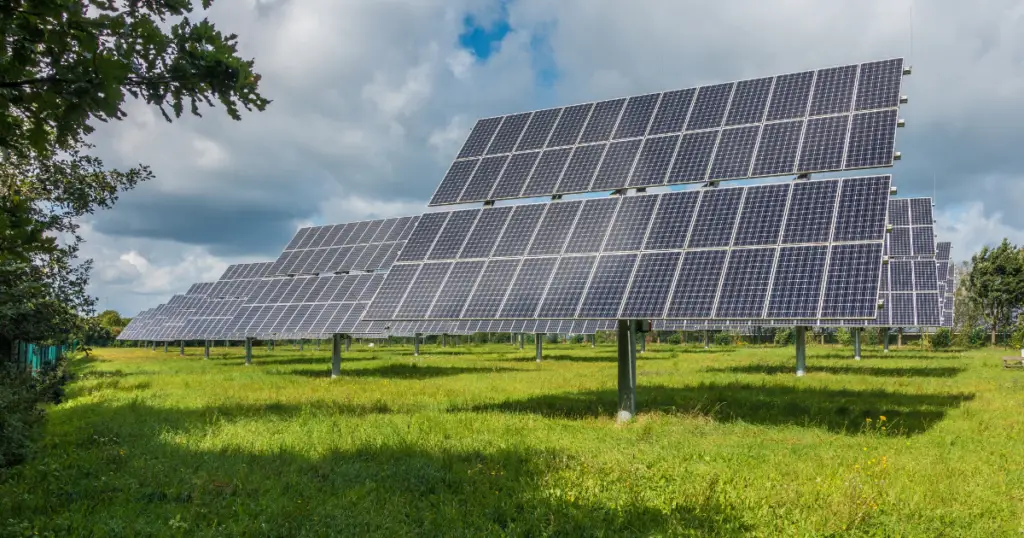
Yes, but charging may take longer.
For example, imagine placing a small solar charger on a sunny windowsill to charge a rechargeable battery.
The panel may generate enough electricity to charge it, but the lower power output can slow the process.
The result depends on the panel’s output and the battery’s charging requirements.
Small solar panels may be suitable for:
- Basic calculators.
- Small electronic sensors.
- Low-power lights.
- Small rechargeable batteries.
- Certain portable devices designed for solar charging.
However, they may struggle to charge larger batteries or power-hungry devices.
Always check the panel’s voltage, current, and charging requirements before connecting it to a battery. Using a compatible charge controller can also help protect the battery.
Is Sunlight Through a Window Better Than Indoor Lighting?
Yes. Direct sunlight passing through a window generally provides much more energy than ordinary indoor lighting.
Solar cells can produce electricity under artificial light, but household bulbs usually provide too little energy for useful charging.
For example, placing a small solar panel under a ceiling light may produce a small electrical output, but it is unlikely to charge a phone or battery efficiently.
If you want to get useful power from an indoor solar panel, a sunny window is usually a better option.
Can You Replace Outdoor Solar Panels With Indoor Panels?
Not if your goal is to power an entire home.
A small panel behind a window may charge a low-power device, but it is not a practical replacement for a properly installed rooftop solar system.
Outdoor panels receive more direct sunlight without an additional window layer reducing the incoming energy.
For homeowners considering solar panels in Alberta, location, roof direction, shading, snow, and seasonal sunlight all affect how much electricity a system can generate.
Natural Resources Canada provides solar resource maps showing estimated photovoltaic electricity production across Canada.
These maps help homeowners understand how location and panel direction affect potential output.
What Are Solar Windows?
Solar windows are different from ordinary solar panels placed behind glass.
They use special materials within the glazing to convert sunlight into electricity while still allowing some daylight into a building.
Researchers are working on photovoltaic glazing that combines window functions with electricity generation. However, these products must balance power production with visibility and the amount of daylight entering a room.
The National Renewable Energy Laboratory conducts research into solar technologies, including new ways to integrate photovoltaic materials into buildings.
Solar windows are not the same as placing a regular solar panel behind your existing window.
How to Get Better Results From a Solar Panel Behind Glass
If you want to test indoor solar charging, these steps can help:
- Place the panel near a window that receives direct sunlight.
- Keep curtains and blinds open.
- Clean the window and panel surface.
- Avoid heavily tinted or reflective glass.
- Position the panel to receive as much direct sunlight as possible.
- Measure its voltage and current with a suitable meter.
- Check whether the output meets your battery’s charging requirements.
Measuring the electrical output is more useful than judging performance by how bright the room looks.
Conclusion: Can Solar Panels Charge Through a Window?
Yes, solar panels can charge through a window because some sunlight passes through glass and reaches the photovoltaic cells.
However, glass can reduce the amount of usable sunlight reaching the panel. Window coatings, tint, sunlight strength, panel angle, and shading all affect its output.
For small devices and rechargeable batteries, indoor solar charging can work. But if you want to generate enough electricity to power your home, outdoor solar panels are generally the better option.
The important thing is to match the solar panel to your power needs and measure its actual output before relying on it.