Can you do handyman work without a license? Learn legal limits, risks, and when a license is required for small jobs in your area.
A neighbor once fixed a leaking sink for a friend and got paid cash the same day.
It felt simple- to help someone, earn some money, and move on.
But later, he found out he may have crossed a legal line without knowing it.
This happens more often than you think.
Many people take on small repair jobs without understanding the rules beforehand.
If you’ve ever thought about offering services like an affordable handyman Las Vegas, other people have thought so too.
To answer the common question of whether you can do handyman work without a license depends on where you live, the type of work, and how much you charge.
To ensure your safety and avoid trouble, Let me walk you through it.
What Is Handyman Work?
Handyman work usually means small jobs around the house. These tasks don’t often need a full contractor.
Common examples of these include:
- Fixing a leaking faucet
- Painting walls
- Hanging shelves or pictures
- Repairing doors or windows
- Minor yard work
These jobs are often quick and low-risk. That’s why many people assume a license is not needed. But that’s not always true.
Can You Do Handyman Work Without a License?
The answer is yes, but only for certain jobs and within limits.
In many places, you can legally do small handyman jobs without a license if:
- The job is minor (no major repairs or structural work)
- The total cost is below a set amount
- You are not working on plumbing, electrical, or HVAC systems
For example, in some U.S. states like Nevada, you can only do unlicensed work if the total job cost is under $1,000 and does not require permits.
Rules like this are common across many regions.
So, while you can do some work without a license, there are clear limits for tenant safety.
Why Licensing Rules Exist
It might feel frustrating sometimes, but licensing rules are there for a reason.
They help:
- Protect homeowners from poor or unsafe work
- Ensure safety standards are being followed
- Hold workers accountable if something goes wrong
Think about electrical wiring or major plumbing.
If done wrong, it can cause fires, floods, or injuries. That’s why those jobs almost always require a licensed professional.
Jobs You Can Usually Do Without a License
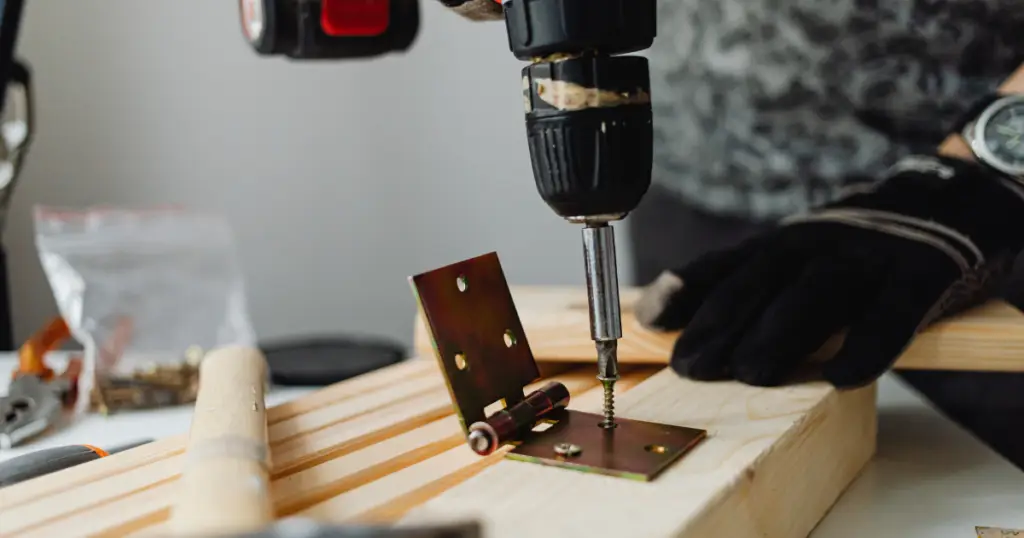
To be on the safe side, stick to simple tasks.
Here are examples of work that is often allowed without a license:
- Painting interior or exterior walls
- Cleaning gutters
- Installing blinds or curtains
- Minor drywall repairs
- Basic furniture assembly
Even while doing all this, always check your local laws.
Jobs That Usually Require a License
Some work is almost always restricted.
Avoid these unless you are licensed:
- Electrical wiring or repairs
- Plumbing system work
- HVAC installation or repair
- Structural changes (walls, roofing, foundations)
Doing these without a license can lead to you paying fines or legal trouble.
The Risks of Working Without a License
It may seem easy to start doing the job yourself, but there are real risks.
Here’s what could happen:
1. Legal Trouble
You could face fines or even a ban from working in your area.
2. No Legal Protection
If a client refuses to pay, you may not be able to take legal action.
3. Liability Issues
If something breaks or someone gets hurt, you could be responsible.
4. Damage to Reputation
One bad job can spread quickly through word of mouth or online reviews.
It’s not just about rules; it’s about protecting yourself.
Do You Need a License to Start a Handyman Business?
If you plan to turn this into a business, things will have to change.
Even if you don’t need a contractor license, you may still need:
- A business license
- Insurance, such as general liability
- Tax registration
Running a proper business builds trust and helps you grow.
How Much Work Can You Do Without a License?
Many people get confused about this.
Most places have a job value limit.
For example:
- Jobs under a certain dollar amount may not need a license, while
- Larger jobs almost always require one
If you exceed that limit, even by a small amount, you could be breaking the law.
Always confirm your local rules before taking on bigger projects.
When It Makes Sense to Get Licensed
If you’re serious about working as a handyman, getting licensed can open more doors.
Here’s why it’s worth considering:
- You can take on bigger, higher-paying jobs
- Clients trust you more
- You avoid legal risks
- You can advertise freely
It may take time and effort, but it gives you long-term security.
Real-World Insight: Why People Still Work Without a License

Let’s be honest, many people still do small jobs without a license.
Why?
- It’s quick to start
- No upfront costs
- Easy cash payments
But, one complaint, one accident, or one inspection can cause serious problems for them.
That’s why it’s better to stay informed and careful.
Tips to Stay Safe and Legal
If you want to do handyman work without a license, follow these simple rules:
- Stick to small jobs only
- Avoid specialized work like plumbing or electrical
- Keep job costs low within legal limits
- Check your local laws before starting
- Get basic insurance if possible
These major steps can help you avoid costly mistakes.
What Clients Expect From a Handyman
Even for small jobs, clients want:
- Reliability
- Honest pricing
- Quality work
- Clear communication
Whether you’re offering services like affordable handyman Las Vegas or just helping locally, your reputation matters.
Doing things the right way builds trust and client retention.
Common Misunderstandings
Let’s clear up a few misconceptions:
“Small jobs don’t need rules.”
This is not true. Even small jobs can be subject to legal limits.
“Cash jobs are always safe.”
This is wrong. Payment method doesn’t change the law.
“No one will find out.”
For that moment, possibly, but if something goes wrong, it’s consequences might be dangerous for you.
Conclusion
So, you can do handyman work without a license, but with some restrictions.
Small, simple jobs are often allowed.
But once you move into bigger, more complex work, a license becomes necessary.
It’s easy to overlook the rules when you’re just starting.
Many people do.
But taking the time to understand what’s allowed can save you stress, money, and trouble later.
If you plan to grow or earn a steady income from this work, consider doing things the right way from the start.
Stay informed, stay careful, and build your skills step by step.