
Why roofing sheets are corrugated for strength, stiffness, drainage, wind resistance, and efficient material use. Learn what the ridges actually do.
If you have ever held a thin metal sheet, you know how easily it can bend. Now add a series of ridges to that same sheet, and it becomes much harder to flex.
That is the basic reason why roofing sheets are corrugated. The raised and lowered sections give the sheet more stiffness without requiring a much thicker piece of metal.
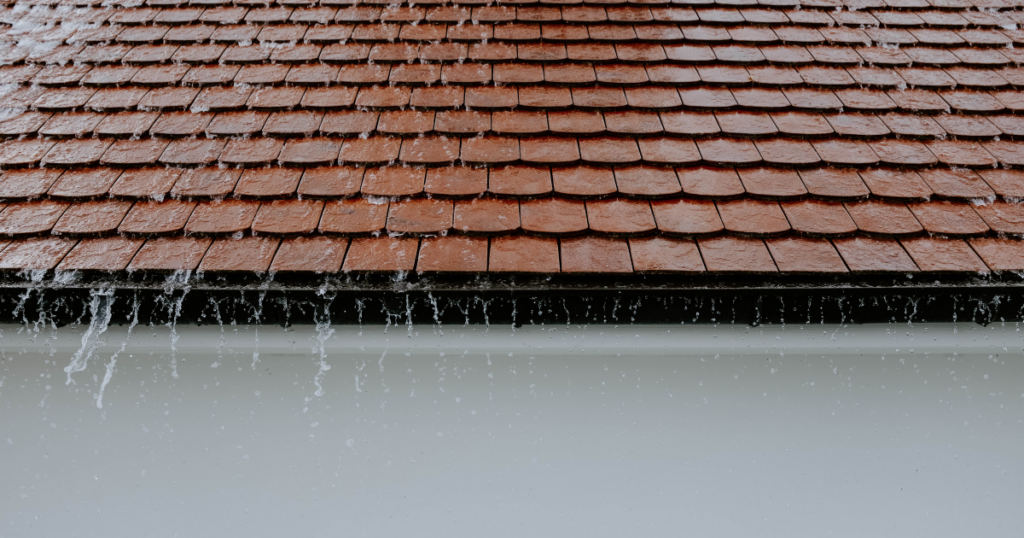
Corrugation also creates channels that help rainwater move down the roof and toward the drainage system. This design is used on homes, sheds, warehouses, workshops, and commercial buildings.
If you are dealing with a commercial roof, a Commercial roofing contractor College Station may consider the sheet profile, thickness, roof slope, support spacing, and expected loads before choosing a roofing system.
Once you understand what the ridges actually do, it becomes easier to see why corrugated sheets remain widely used.
Why Are Roofing Sheets Corrugated?
The main reason roofing sheets are corrugated is to increase strength and stiffness without adding excessive weight.
A flat sheet has little structural depth, so it can bend fairly easily. Corrugating the sheet gives it a formed shape that resists bending better.
You can see the same idea with paper. A flat piece bends easily, but folding it into ridges makes it much stiffer.
For metal roofing, this added stiffness can help the sheet handle normal roof loads.
The Metal Building Manufacturers Association (MBMA) provides design guidance covering roof panels, framing, stiffness, and structural loads.
1. Corrugation Makes Roofing Sheets Stronger
The ridges are not just for appearance. They change how the sheet behaves under pressure.
A corrugated sheet can resist bending better than a flat sheet of similar thickness. This is useful because a roof may be exposed to:
- Wind pressure
- Wind uplift
- Rain
- Maintenance loads
- Snow in some areas
- The weight of roof components
However, a corrugated profile does not make a roof automatically strong. Sheet thickness, rib depth, support spacing, fasteners, and the roof structure all matter.
MBMA standards include testing methods for the load-carrying strength of roof panels and their attachments, showing why the panel and its connections must be considered together.
2. Corrugation Helps Rainwater Flow
Another reason roofing sheets are corrugated is to help move water.
A properly sloped roof allows rain to run downward. The channels formed by the corrugations give water paths toward the roof edge, gutter, or drainage system.
This is useful during heavy rainfall because water is less likely to spread across the entire sheet.
Still, corrugated roofing is not leak-proof.
Leaks can develop around:
- Screws and fasteners
- Sheet overlaps
- Flashing
- Roof penetrations
- Damaged panels
- Poorly sealed joints
Good installation is therefore just as important as the roofing profile.
3. Corrugated Sheets Can Span Between Supports
The shape of a roofing sheet can also affect how far it can span between supports.
A deeper or stronger profile may provide greater stiffness than a shallow profile. But you should never assume that every corrugated sheet has the same span capacity.
The manufacturer will normally specify the suitable support spacing and loading limits.
For a commercial roof, these details matter because the roof may cover a large area and face stronger wind loads.
MBMA notes that metal building systems are designed around factors such as building use, loading conditions, building codes, and serviceability requirements.
4. Corrugation Uses Material Efficiently
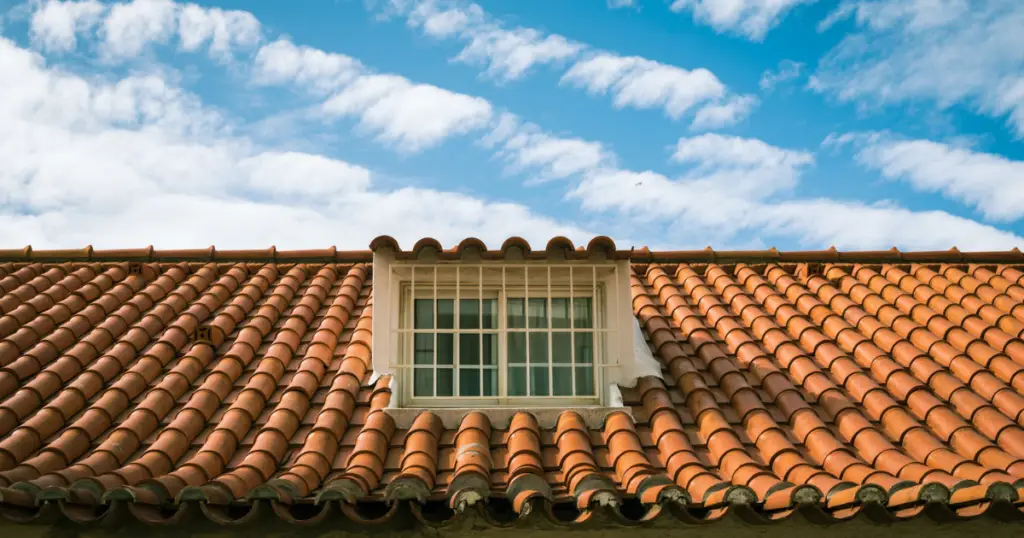
Corrugation can also improve the relationship between strength and weight.
Instead of making a roofing sheet much thicker, manufacturers can form it into ridges. The shape adds depth and stiffness while keeping the sheet relatively lightweight.
This can make handling and installation easier than using a much heavier flat sheet with the same basic purpose.
The same principle is used in many metal building products. The shape of the material can affect its strength without simply adding more material.
5. Corrugation Helps With Wind Loads
Wind is another important reason roofing sheets need stiffness.
Strong wind can create uplift forces that try to lift roof panels away from the building. The corrugated shape helps the panel resist bending, but the fasteners and roof structure are just as important.
A reliable roof system needs:
- Correct fasteners
- Proper fastener spacing
- Secure connections
- Correct sheet overlaps
- Adequate roof supports
- Proper edge and corner detailing
MBMA’s design resources cover roof framing, panels, connections, and anchorage because these parts work together as one roof system.
Are All Corrugated Roofing Sheets the Same?
No.
Corrugated roofing comes in different materials, thicknesses, shapes, and profiles.
Common materials include:
- Galvanized steel
- Galvalume-coated steel
- Aluminum
- Other coated metals
- Fiber cement
The shape can also vary. Some sheets have rounded waves, while others have deeper ribs or more angular profiles.
This matters because two sheets can look similar but perform differently.
Before choosing a roofing sheet, check its technical specifications. Look at its thickness, profile, recommended span, load capacity, coating, and fastening requirements.
Does Corrugation Prevent Roof Leaks?
No. This is one of the most important things to understand.
Corrugation helps water move across the roof, but it does not stop leaks caused by poor installation or damaged materials.
Common causes of leaks include:
- Loose or damaged fasteners
- Failed washers
- Poor sheet overlaps
- Damaged flashing
- Rust or corrosion
- Unsealed roof penetrations
- Physical damage to the panels
If a roof has several leaks, replacing one damaged sheet may not solve the whole problem.
Why Do Some Roofing Sheets Have Deeper Ribs?
Deeper ribs change the shape and stiffness of the panel.
However, deeper does not always mean better.
The right profile depends on the building and its design requirements. A small shed may need a different sheet from a large warehouse or office building.
This is why commercial roof replacement projects should consider the complete roof system instead of choosing a sheet based only on appearance.
What Should You Check When Buying Corrugated Roofing?
If you are comparing roofing sheets, check these points:
- Material: Steel, aluminum, or another material?
- Thickness: Is it suitable for the intended use?
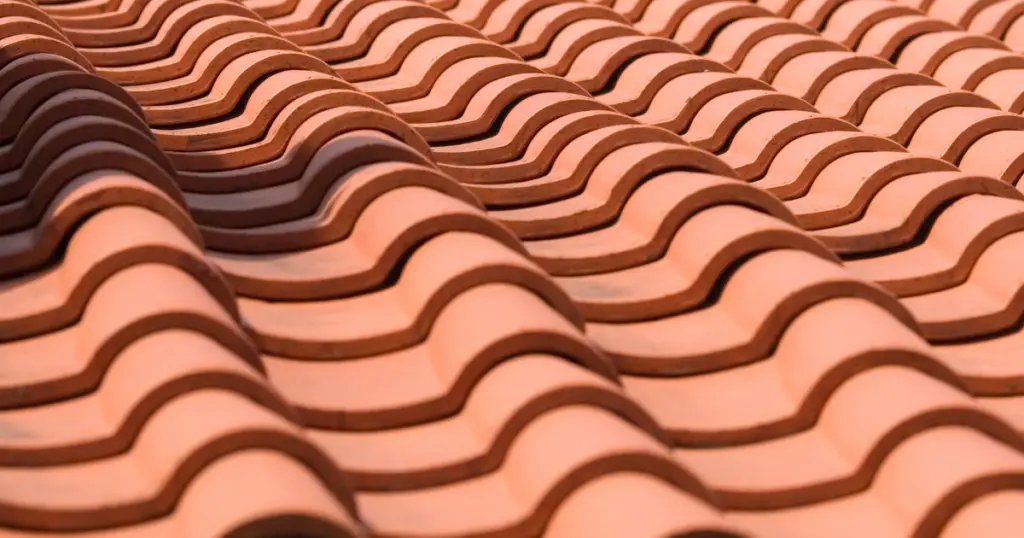
- Profile: How deep and wide are the ribs?
- Span: How far can the sheet safely span between supports?
- Coating: Does it have protection against corrosion?
- Fasteners: What screws or fixing system does the manufacturer require?
- Roof slope: Is the profile suitable for your roof’s pitch?
- Local conditions: Will the roof face heavy rain, strong winds, or other loads?
These details can have a bigger effect on roof performance than the appearance of the sheet.
Conclusion
So, why roofing sheets are corrugated comes down to four main benefits: strength, stiffness, water flow, and efficient material use.
The ridges give a relatively thin sheet more structural depth, helping it resist bending while creating channels for rainwater.
But corrugation is only one part of a roofing system. Sheet thickness, profile, roof slope, supports, fasteners, flashing, drainage, and installation quality all affect performance.
When you choose corrugated roofing, look beyond the waves. The best sheet is the one that matches the building, weather conditions, roof design, and expected loads.
