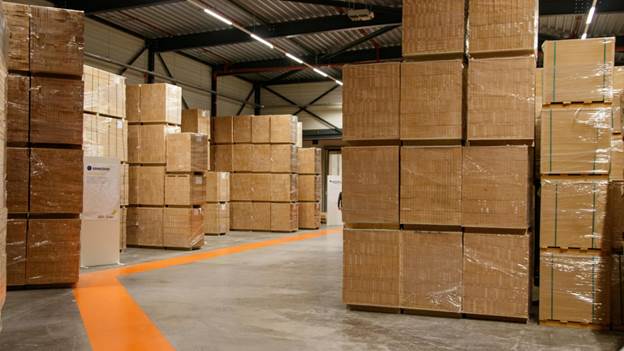
“Will moving companies deliver to storage units? Learn the cost, what affects pricing, and simple tips to help you choose the right movers.”
If you’ve ever packed up your place and realized you have more things than your new home can hold, you’re not alone.
I’ve worked with many families since 2016 who found themselves in that same spot. Sometimes your move-out date comes faster than your move-in date. Other times, you just want to clear space so you can breathe a little.
That’s usually when a storage unit becomes the smart choice. And the question I hear the most in these moments is whether movers can take your things straight to the unit for you.
Well, the good news is yes, many movers do this every day. The key is knowing how it works, what it costs, and how to make the process simple so nothing feels rushed or stressful.
In this guide, you’ll see what to expect from a storage drop-off, the price factors that matter, and the steps you can take to make your move smoother from start to finish.
Do Moving Companies Deliver to Storage Units?
Most moving companies offer storage-unit delivery, and from my years running a service business, I’ve found this is one of the jobs that requires clear planning.
When I worked with a family moving into a smaller apartment, they asked a Boise moving company to drop off half of their things at a storage unit. It worked smoothly because they had the unit ready, labeled boxes, and understood the company’s policies.
Almost every mover will handle a storage drop-off as long as:
- The unit is accessible during its working hours
- The facility allows commercial trucks inside
- You or someone you trust can be present to sign in
- The unit is paid for and opened ahead of time
To make this simple for yourself, ask your movers if they have handled storage drop-offs before. You’ll get a better sense of how organized they are.
How the Storage Drop-Off Process Works
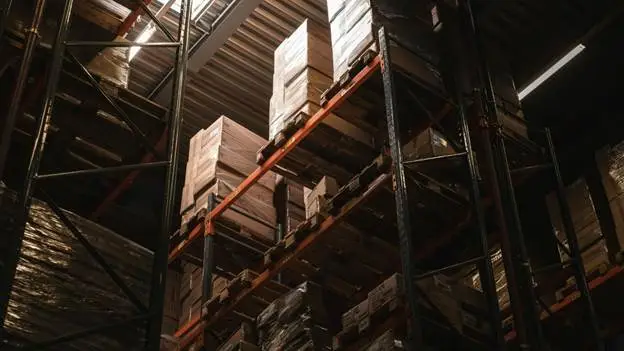
Let me walk you through how this usually goes.
1. You book your movers
After you choose your moving date, the company confirms the time and the address of the storage facility. Some movers also ask for your unit number ahead of time so they can plan their route inside the property.
2. You prepare your items
Movers handle the lifting, but packing safely is still your part. Fragile items need proper wrapping, strong boxes, and good tape.
Approved Freight Forwarders agrees that poor packing is a common cause of damage during moves and shipping, so using sturdy boxes, proper cushioning, and good tape can significantly reduce the risk of breakage. Simple steps like using the right packing materials can save you money and stress.
3. Movers load the truck
Once your items are ready, movers load everything that is headed to your storage unit.
Labeling helps a lot here. When boxes are marked “storage,” movers know exactly where they belong later. It speeds up the drop-off and makes it more organized.
4. Movers drive to the facility
Storage facilities can have different rules. Some need gate codes. Some require you to check in first. Others limit when trucks can enter. This is why it helps to take a minute to check your facility’s guidelines. Public Storage has a simple example of general rules. Knowing these details early keeps your movers from waiting at the gate.
5. Items are unloaded into the unit
Movers place your things inside the unit so you can still move around. If your unit is small, you can ask them to stack the boxes so a clear path remains. That one small request makes it easier to reach your stuff later.
And if you ever want extra help keeping your unit tidy or planning your space better, guides on homebriefings.com give simple steps you can follow without feeling overwhelmed.
What Does It Cost to Have Movers Deliver to a Storage Unit?

1. Distance
If movers have to travel between your home and the storage unit, they charge for the extra time on the road. A short drive keeps the price low, while a longer drive increases the total cost.
2. Labor
You pay for the time movers spend carrying and unloading your items. This is why heavy furniture, tight hallways, or a large number of boxes can raise the cost. For a general idea of labor rates, hourly rates for movers vary widely by location and company; for example, Indeed reports average hourly pay around $22–$35 for many U.S. mover roles.
3. Truck size
Bigger trucks cost more to run. If you have many bulky items, your movers may use a larger truck, which adds a bit to the price.
4. Storage facility rules
Some facilities require movers to use long hallways, multiple gates, or certain elevators. All of these steps take time. More time usually means a higher bill.
5. Time of year
Summer is the busiest moving season. Rates tend to go up during these months because movers handle far more jobs. Industry reports show that a large share of moves happen in the summer.
For example, moveBuddha notes that 41% of annual U.S. moves take place between May and August, which explains why rates are higher during those months.
Typical price range
From what I’ve seen over the years, most storage drop-offs fall within these ranges:
- 150 to 500 dollars for small, local jobs
- 700 to 1200 dollars for larger moves or jobs that require multiple stops
Your city plays a big role in what you pay. Always compare a few companies so you can choose the one that fits your budget and needs.
Tips to Make Your Storage Drop-Off Easier
These small steps make a big difference during a storage drop-off. I’ve seen them help many clients stay organized and save time on moving day.
- Label your boxes: Use short, clear labels. Movers depend on this more than you might expect, especially when they’re sorting what goes to your new home and what goes to storage.
- Tell the facility you’re expecting movers: Some storage places want you to check in first or share a gate code. A quick call helps you avoid delays.
- Open the unit early: Make sure the lock works and the door opens smoothly. Nothing slows things down like getting to the unit and finding a problem with the lock.
- Give movers simple instructions: A quick note on where you want heavier items placed or how you prefer boxes stacked can save you a lot of trouble later.
- Use strong packing tape: Weak tape can make boxes split when lifted. I’ve seen this happen more than once during moves, and it creates extra mess and stress.
- Keep a short list of items going into storage: This helps later when you need something and can’t remember if it’s at home or in the unit.
- Ask about insurance: Most moving companies offer basic liability coverage, but that may only provide minimal protection. If you want full-value coverage or extra insurance, you’ll likely need to purchase it separately. For more on your rights and options, see the FMCSA’s “Protect Your Move” information.
These simple steps make your move feel more controlled and less chaotic, especially on a day when a lot is happening at once.
Conclusion
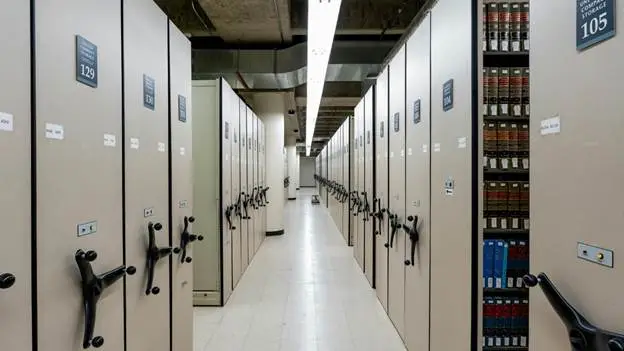
If you’re asking, will moving companies deliver to storage units? The answer is yes. With the right team and a little preparation, the process becomes simple.
The most important part is choosing movers who understand storage facilities and can work safely inside them. When you prepare your unit, label your items, and ask clear questions, you’ll save yourself time and stress.
If you want more easy guides to help you keep your home and storage spaces organized, you can always check helpful resources like HomeBriefings.