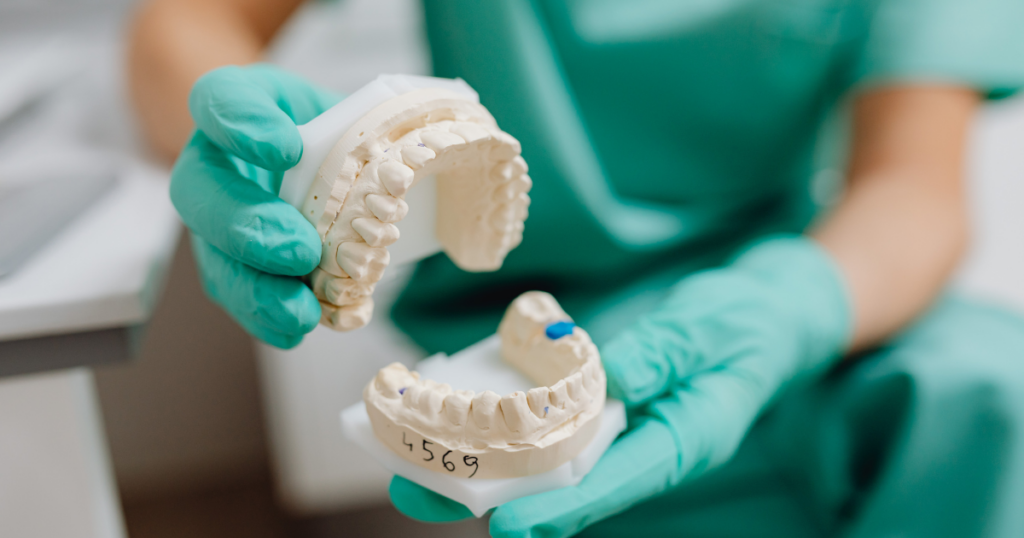
Learn how dental implants are done, from the first dental exam to implant placement, healing, and fitting your replacement tooth.
Losing a tooth can change more than your smile.
You may find it harder to chew certain foods, speak comfortably, or feel confident when you laugh.
If you are thinking about replacing a missing tooth, dental implants may be one option your dentist discusses with you.
But what happens during the procedure?
Does it hurt, and how many steps are involved?
Understanding how dental implants are done can help you feel more prepared before deciding.
The process involves placing a small support post into your jawbone and attaching a replacement tooth after the area has healed.
Your dentist will first check your oral health, bone strength, and treatment needs to see whether implants are suitable for you.
If you are considering dental implants, knowing what happens at each stage can help you ask better questions and understand what to expect from your treatment.
Step 1: Your Dentist Examines Your Mouth
The first step in how dental implants are done is a full dental exam.
Your dentist checks your gums, remaining teeth, jawbone, and general oral health.
You may need X-rays or a 3D scan to show the shape of your jaw and the position of nearby nerves and sinuses.
Your dentist will also ask about your health conditions, medicines, and habits such as smoking.
These details help the dental team plan your treatment and lower the risk of problems.
The European Federation of Periodontology explains that careful examination and imaging help the dentist decide where an implant should go.
Step 2: Prepare Your Jawbone if Needed
An implant needs enough healthy bone to stay firm.
If you have lost bone after losing a tooth, your dentist may suggest a bone graft.
A bone graft adds material to help build up the area.
Your body then needs time to heal before the implant can be placed, although some treatments can combine these steps.
You may also need treatment for gum disease or tooth decay first.
This helps create a healthier base for the implant.
According to the Canadian Dental Association, people with reduced jawbone may be able to receive a bone graft before implant treatment.
Not everyone needs this extra step.
Your treatment plan will depend on your bone and gum health.
Step 3: The Dentist Places the Implant
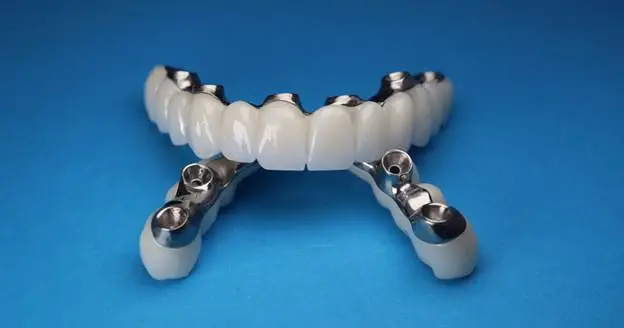
This is the surgical part of how dental implants are done.
Your dental professional usually gives you local anesthetic to numb the area.
This helps prevent pain during the procedure, though you may feel some pressure.
The dentist or implant surgeon then:
- Makes a small opening in the gum to reach the jawbone.
- Prepares a space in the bone for the implant.
- Places the implant, which is usually a small titanium post.
- Closes the gum with stitches or places a healing cap, depending on the method used.
The implant acts like an artificial tooth root.
It will later support a crown, bridge, or denture.
The Australian Government’s Healthdirect service explains that implant placement is usually a minor operation carried out with local anesthetic.
Step 4: Allow the Implant to Heal
After placement, your jawbone needs time to grow around the implant.
This process is called osseointegration.
It helps hold the implant firmly in place.
Healing often takes several months, but the exact time depends on your health, bone quality, and the type of treatment.
During this stage, your dentist may provide a temporary tooth replacement if suitable.
Some patients can receive a temporary tooth on the day of surgery, but this is not right for everyone.
Follow your dental team’s advice about eating, cleaning your mouth, and attending follow-up visits.
Avoid putting pressure on the implant before your dentist says it is ready.
Step 5: Attach the Replacement Tooth
Once the implant has healed well enough, your dentist can fit the parts that support your new tooth.
A small connector called an abutment links the implant to the replacement tooth.
Your dentist takes measurements or scans so the final tooth fits your mouth and matches your bite.
The replacement may be:
- A crown to replace one tooth.
- A bridge to replace several teeth.
- A denture supported by implants when many teeth are missing.
The American Academy of Periodontology explains how the implant, connector, and replacement crown work together.
Your dentist checks the fit and bite before completing the treatment.
Small adjustments may be needed for comfort.
Does Getting Dental Implants Hurt?
The area is numbed during implant surgery, so you should not feel sharp pain during the procedure.
You may notice pressure or movement.
After the anesthetic wears off, mild pain, swelling, bruising, or tenderness can occur.
These effects should improve as you heal.
Follow the aftercare instructions you receive.
Contact your dental professional if pain or swelling gets worse, you develop a fever, or you notice pus around the surgical area.
How Long Does the Full Process Take?

How dental implants are done depends on the condition of your mouth and the number of teeth being replaced.
Some people can receive an implant and a temporary tooth during the same visit.
Others need extra treatment, such as a bone graft, or must wait for the implant to bond with the jawbone before receiving the final tooth.
Your dentist can give you a more accurate timeline after examining your mouth.
If you are also planning Invisalign treatment or need help from an orthodontist, tell your dental team before treatment begins.
The order of procedures may affect your overall plan.
How Do You Care for Dental Implants?
Dental implants need daily care, even though the replacement tooth cannot develop decay like a natural tooth.
To protect your implant:
- Brush twice a day and clean between your teeth.
- Follow your dentist’s advice on cleaning around the implant.
- Attend regular dental checkups.
- Avoid smoking, which can affect healing.
- Report bleeding, swelling, or looseness around the implant.
The FDI World Dental Federation stresses the importance of good oral hygiene, careful placement, and ongoing maintenance for implant health.
Conclusion
Understanding how dental implants are done can help you feel more prepared for treatment.
The process usually involves an examination, implant placement, a healing period, and fitting the replacement tooth.
Your exact plan may differ based on your bone health, gum condition, and the number of teeth you need to replace.
Ask your dentist to explain each stage, the possible risks, and any other options before you begin.
Proper planning and regular care can help you get the best possible result.