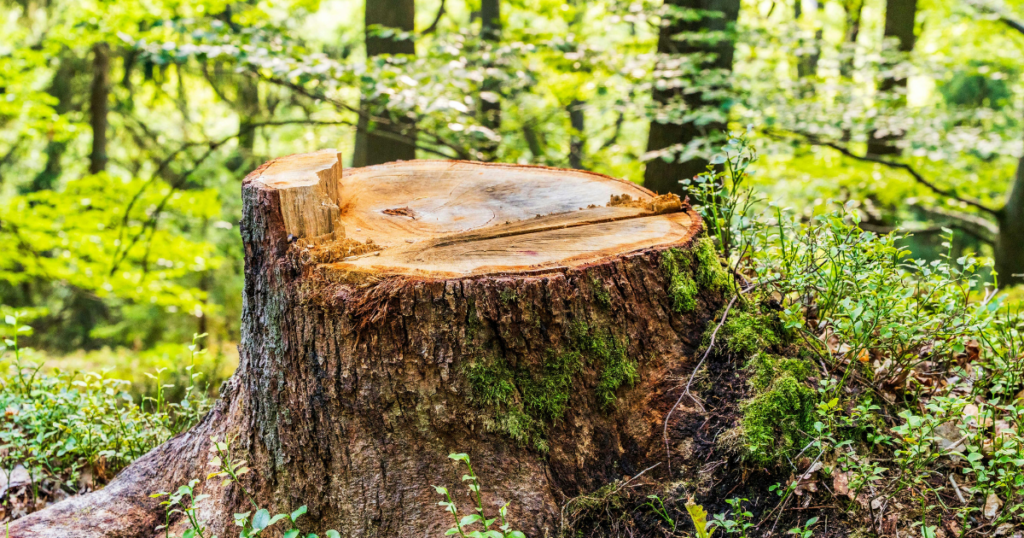
Does stump grinding remove tree roots? Learn what stump grinding removes, which roots may remain, when root removal is needed, and what happens afterward.
Does stump grinding remove tree roots?
If you have had a tree cut down, you may think the job is finished once the stump disappears below the soil.
But the roots are a different case.
A stump grinder mainly removes the visible stump and some of the larger roots close to it.
It does not usually remove the entire underground root system.
That difference matters if you plan to build, plant, pave, or landscape over the old tree site.
Someone going for tree removal O’Fallon MO may also want to know what happens below ground after the tree is gone.
The result depends on the type of removal, the equipment used, the tree species, and what you want to do with the area afterward.
Understanding what stays in the soil can help you plan the next step instead of finding an unexpected root problem later.
What Does Stump Grinding Remove?
A stump grinder uses a cutting wheel with teeth to grind the stump into small pieces below ground level.
In many cases, the machine also removes some large, shallow roots around the stump.
Iowa State University Extension reports that professional stump grinding typically removes the stump and larger lateral roots to around 8 to 12 inches below ground.
However, this does not mean every root is removed.
Roots can spread well beyond the stump, and many are deeper than the grinder can reach.
Those roots usually stay in the soil and gradually decay.
So, the short answer to does stump grinding remove tree roots? is:
Stump grinding removes the stump and some nearby roots, but it usually does not remove the entire root system.
Why Doesn’t Stump Grinding Remove All the Roots?
There are several reasons.
1. Tree roots spread far from the stump
A mature tree can have roots extending well beyond the area directly around its trunk.
Grinding the entire root system would require much more digging and soil disturbance.
2. Some roots are too deep
A stump grinder works from above the ground.
It can reach the stump and accessible surface roots, but deeper roots may remain untouched.
3. The purpose is different from full root extraction
Stump grinding is designed to remove the visible stump and make the area usable again, not to excavate every piece of wood underground.
South Dakota State University Extension notes that typical stump grinding removes the stump and surface roots to a depth of about 8 to 12 inches.
What Happens to the Roots That Remain?
Most remaining roots eventually break down through natural decay.
As fungi and microorganisms decompose the old wood, the root material gradually becomes part of the soil.
The speed varies based on factors such as soil moisture, tree species, root size, and environmental conditions.
Iowa State University Extension notes that natural stump decay can take many years, depending on conditions.
This means you do not necessarily need to dig up every root after grinding.
But there are situations where leaving roots behind can matter.
Can Remaining Roots Grow Again?
Certain tree species can produce new shoots from remaining stump or root sections.
The University of Florida’s Institute of Food and Agricultural Sciences notes that some invasive tree species can regrow from portions of the stump or lateral roots left after grinding.
This is why seeing new shoots after stump grinding does not always mean the grinding failed.
The stump may be gone while living root tissue remains underground.
If regrowth appears, the right response depends on the tree species and the condition of the remaining plant material.
When Do You Need the Roots Completely Removed?
Complete root removal may be worth considering when the area has a specific purpose.
For example, you may need more extensive removal if you plan to:
- Install a foundation or other structure
- Dig deeply for construction
- Install certain underground features
- Create a new planting bed in the same spot
- Remove roots that are physically blocking planned work
- Deal with a tree that is known to regrow from its roots
Full extraction is different from grinding because it involves digging into the soil and physically removing the stump and root sections.
Illinois Extension explains that mechanical extraction can involve equipment such as excavators, which can sever and remove larger roots from the ground.
Can You Plant a New Tree After Stump Grinding?
This is where planning becomes important.
You can plant near an old stump location, but planting directly where the old tree stood may create challenges.
Remaining roots can take up space, while wood chips from grinding can affect soil conditions as they break down.
Iowa State University Extension recommends choosing a new planting site away from the old tree when possible.
If planting in the same location is necessary, it recommends removing old roots and grinding debris and improving the soil before planting.
So, if your goal is a new tree, do not assume that grinding the stump automatically prepares the soil for planting.
Stump Grinding vs. Complete Stump Removal
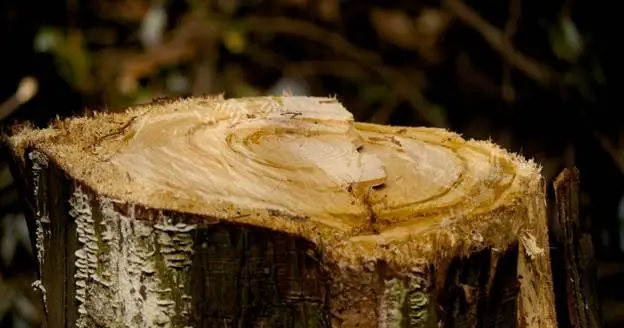
These terms can sound similar, but they involve different levels of work.
Stump grinding:
- Cuts the stump below the soil surface
- Usually removes some nearby surface roots
- Leaves deeper and farther-reaching roots
- Creates wood chips or grindings
- Causes less soil disturbance than full excavation
Complete stump extraction:
- Removes the physical stump from the ground
- Requires digging or mechanical extraction
- Can remove larger portions of the root system
- Creates a larger hole
- May disturb more surrounding soil
The better option depends on what you want to do with the area afterward.
Conclusion
Does stump grinding remove tree roots?
Usually, but not all of them.
Stump grinding removes the main stump and can remove larger surface roots near it, but deeper and farther-reaching roots generally remain underground.
For ordinary lawn or landscape work, those remaining roots can gradually decay without needing to be dug out.
However, construction, new planting, or persistent root regrowth may require more extensive root removal.
If you are considering tree service O’Fallon MO, the important thing is to explain what you plan to do with the area after grinding.
That allows the work to be matched to the actual job rather than treating every stump the same way.