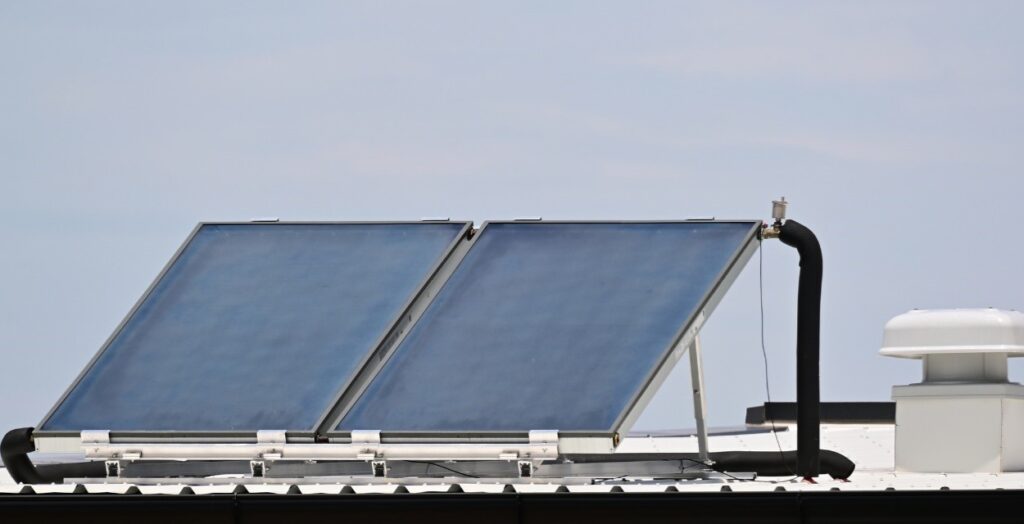
How many years does a heat pump last? Learn the average lifespan, what affects it, and how to make your system last longer with simple care tips.
If you are considering installing a heat pump or already have one, this question matters a lot: how many years does a heat pump last?
It is not a small decision. A heat pump is a big investment, and you want to know how long it will serve your home before repairs or replacement become unavoidable.
I have worked with many homeowners who wish they had known this earlier.
The good news is that heat pumps are built to last when installed correctly and properly maintained.
In this guide, you will learn what lifespan to expect, what shortens or extends it, and how to spot the signs that your system is reaching the end of its run.
I will also show you when a heat pump repair service makes sense and when replacement is the smarter call.
Early on, if your system is tied into hot water, getting solar hot water repairs from a licensed plumber can prevent damage and keep everything working together smoothly.
How Many Years Does A Heat Pump Last On Average?
On average, a heat pump lasts between 10 and 15 years.
Some systems stop earlier due to poor installation or neglect. Others run well for 18 to 20 years with steady care. In real homes, most people land right in the middle.
Here is a simple breakdown:
- 10 to 12 years: Common for systems with little maintenance
- 13 to 15 years: Typical lifespan with regular servicing
- 16 to 20 years: Possible with high-quality units and good care
According to the U.S. Department of Energy, heat pumps generally last longer than many traditional heating systems when properly maintained.
What Type Of Heat Pump Do You Have?
Not all heat pumps age the same way. The type you use plays a big role in how long it lasts.
Air source heat pumps
These are the most common in homes.
- Average lifespan: 10 to 15 years
- Exposed to outdoor weather
- Easier and cheaper to service
Ground source heat pumps
Also called geothermal systems.
- Average lifespan: 15 to 25 years
- Underground parts last much longer
- Higher upfront cost but fewer weather issues
Heat pumps used with hot water systems
When a heat pump is part of your hot water setup, wear can show up faster if plumbing issues are ignored.
This is why timely hot water repairs, and even same-day hot water repairs, matter.
Small water pressure or valve problems can slowly damage the system without obvious warning signs.
What Affects How Long A Heat Pump Lasts?

The lifespan of a heat pump is not random. A few clear factors make the biggest difference.
1. Installation quality
A poorly installed heat pump often fails early.
Common installation problems include:
- Wrong system size for the home
- Poor airflow around the outdoor unit
- Incorrect electrical or plumbing connections
This is why finding the best plumber near me or a licensed HVAC installer is not just about convenience.
It protects the life of your system from day one.
2. Maintenance habits
Heat pumps need regular care.
Without it:
- Parts wear out faster
- Efficiency drops
- Small faults turn into big repairs
With yearly servicing:
- Components stay clean
- Problems are caught early
- The system runs under less stress
3. Climate and usage
Where you live and how often you run your system also matter.
- Hot, humid areas cause more wear
- Coastal air can lead to corrosion
- Systems used year-round age faster than seasonal ones
4. Power quality and water quality
Power surges and hard water can quietly shorten lifespan.
- Electrical spikes damage control boards
- Mineral buildup affects hot water systems
- Leaks increase internal strain
Signs Your Heat Pump Is Nearing The End
A heat pump does not fail overnight. It gives warning signs.
Watch for these issues:
- Rising energy bills without more usage
- Uneven heating or cooling
- Loud or new noises during operation
- Frequent breakdowns
- Repairs becoming more common and costly
If you are calling a heat pump repair service every few months, that is usually a signal. At some point, repairs stop being cost-effective.
Repair Or Replace: How Do You Decide?
This is one of the most common questions homeowners ask.
A simple rule many professionals use is the 50 percent rule:
- If a repair costs more than 50 percent of a new system, replacement is often the smarter move.
Also consider the age of your unit.
- Under 8 years old: Repair usually makes sense
- 9 to 12 years old: Depends on cost and condition
- Over 13 years old: Replacement often saves money long term
If your system supports hot water, ignoring related issues can tip the balance faster.
Delaying hot water repairs can damage parts of the heat pump itself.
How Long Should A Well-Maintained Heat Pump Last?
With good care, many homeowners see 15 years or more from their heat pump.
Here is what “good care” looks like in real life:
- Annual professional servicing
- Cleaning or replacing filters every few months
- Keeping outdoor units clear of debris
- Fixing small issues right away
- Booking same-day hot water repairs when leaks or pressure problems show up
These steps sound simple, but they make a huge difference.
I have seen systems fail at 9 years due to neglect, and others still running strong at 18 years because the owner stayed on top of maintenance.
Does Maintenance Really Extend Lifespan?

Yes. Maintenance is one of the strongest factors you can control.
Regular servicing helps by:
- Reducing strain on the compressor
- Keeping airflow steady
- Preventing corrosion and buildup
- Catching worn parts early
Skipping maintenance often leads to:
- Compressor failure
- Refrigerant leaks
- Electrical damage
Once the compressor fails, replacement is usually required. That single part can cost nearly as much as a new system.
Heat Pumps And Hot Water Systems
Many modern homes combine heat pumps with hot water systems. This setup saves energy but needs proper plumbing care.
Problems that shorten lifespan include:
- Leaking valves
- Faulty pressure relief systems
- Sediment buildup in tanks
Fast action matters here. Booking solar hot water repairs or general plumbing service as soon as issues appear can prevent damage spreading to the heat pump itself.
This is where choosing the best plumber near me is not just about fixing today’s problem. It protects the whole system for years.
How Long Do Heat Pumps Last Compared To Other Systems?
It helps to compare.
- Gas furnace: 10 to 15 years
- Electric heater: 10 to 20 years
- Heat pump: 10 to 15 years on average
The difference is efficiency. Heat pumps often cost less to run over their lifespan.
Even if replacement comes at a similar time, many homeowners save money overall.
When Should You Plan For Replacement?
You do not need to wait for total failure.
Start planning if:
- Your heat pump is over 12 years old
- Repairs are becoming frequent
- Efficiency has dropped noticeably
- Parts are harder to find
Planning ahead lets you:
- Compare models calmly
- Schedule installation at a good time
- Avoid emergency costs
Emergency replacements often occur during peak seasons, when prices are higher, and options are limited.
Conclusion: Key Takeaways For Homeowners
If you remember just a few things, remember these:
- How many years does a heat pump last? Usually 10 to 15 years
- Good installation and care can push it closer to 20 years
- Maintenance is cheaper than replacement
- Hot water and plumbing issues affect lifespan more than people realize
- Timely repairs protect both comfort and budget
A heat pump is not just a box outside your home. It is a system that depends on care, good plumbing, and smart decisions over time.
When you treat it that way, it pays you back with years of reliable service.