When are solar panels most efficient? Learn the best time of day, weather, angle, and seasons that help solar panels produce the most power.
If you’re thinking about solar power, one question usually comes up quickly: when are solar panels most efficient?
You may assume the answer is as simple as when the sun is shining. But there’s more to it than that.
Solar panels do produce electricity from sunlight, but temperature, time of day, panel angle, and even the season all affect how well they work.
Understanding these factors helps you get the most power from your system.
For example, many homeowners looking for an experienced Ontario solar company often ask this same question before installing panels.
They want to know if solar power will actually deliver the energy savings they expect.
The good news is that solar panels are designed to perform well across many conditions. Still, there are specific times and conditions where they perform at their best.
Let’s look at what really affects solar panel efficiency.
Midday: When the Sun Is Highest
In most places, solar panels work best around midday.
This usually happens between 10 a.m. and 2 p.m., when the sun sits highest in the sky.
Here’s why this matters:
- Sunlight hits the panels more directly
- The sunlight passes through less atmosphere
- The panels receive more intense solar radiation
When sunlight strikes the panel directly, more light energy turns into electricity.
According to the U.S. Department of Energy, solar panels generate the most power when sunlight hits them at a perpendicular angle.
This is why solar production graphs usually form a bell curve, with the highest output around noon.
Cooler Sunny Days Improve Performance
Many people believe hot weather makes solar panels work better. Surprisingly, that’s not true.
Solar panels actually perform better in cooler temperatures.
Here’s the reason:
- Solar panels convert sunlight into electricity using photovoltaic cells.
- High heat increases electrical resistance inside the cells.
- This reduces the amount of electricity they produce.
The National Renewable Energy Laboratory (NREL) explains that solar panels lose efficiency as temperature rises above their rated operating conditions.
In simple terms:
Bright sunlight + moderate temperatures = ideal solar performance.
That means a clear spring day can sometimes produce more power than a very hot summer afternoon.
Direct Sunlight vs. Indirect Light
Solar panels can still produce power on cloudy days, but direct sunlight is far more effective.
Solar energy output depends on something called solar irradiance, which means the amount of sunlight reaching a surface.
Here’s how different light conditions compare:
| Condition | Solar Output |
| Clear sky, direct sun | Highest output |
| Light cloud cover | Moderate output |
| Heavy clouds | Lower output |
| Shade | Very low output |
The International Energy Agency (IEA) notes that solar panels can still generate electricity even on cloudy days, but output may drop significantly.
That’s why most solar systems are designed with extra capacity to account for cloudy days.
The Angle of Your Solar Panels Matters
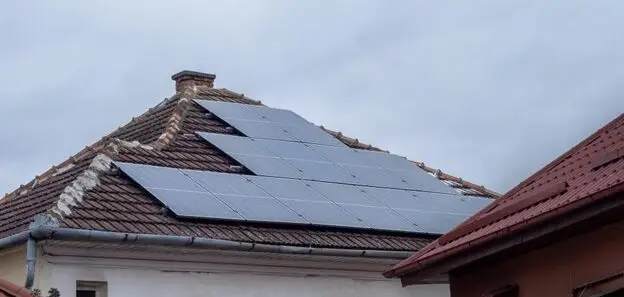
Solar panels produce more electricity when sunlight hits them at the right angle.
If sunlight strikes the panel at a steep angle, some of the light reflects away instead of being absorbed.
A good installation considers the tilt and direction of the panels.
Most systems follow these general rules:
1. South-facing panels produce the most energy (in the northern hemisphere)
This allows panels to capture sunlight throughout the day.
2. The tilt angle often matches the local latitude
For example, many solar systems tilt panels between 30° and 45°.
3. Tracking systems increase efficiency
Some commercial systems move panels to follow the sun across the sky.
However, most residential systems use fixed mounts because they are simpler and cheaper.
Seasonal Changes Affect Solar Efficiency
Solar panels work year-round, but seasonal changes influence how much energy they produce.
Here’s how each season affects performance:
Summer
Summer usually produces the most total solar energy.
Reasons include:
- Longer daylight hours
- More sunlight overall
- Higher sun position in the sky
However, very high temperatures can slightly reduce panel efficiency.
Winter
Winter solar production drops mainly because:
- Days are shorter
- The sun sits lower in the sky
- Snow may cover panels
That said, cold winter sunlight can still be very efficient when panels remain clear.
Many people are surprised that solar panels still work well in winter.
Spring and Fall
These seasons often bring ideal solar conditions.
They combine:
- Good sunlight levels
- Cooler temperatures
- Comfortable panel operating conditions
In fact, some solar systems produce very strong output during spring months.
Shade: The Hidden Efficiency Killer
Even small amounts of shade can reduce solar panel performance.
This happens because many panels connect cells in a series. When one section receives less sunlight, it can affect the entire panel.
Common sources of shade include:
- Trees
- Chimneys
- Power lines
- Nearby buildings
- Roof structures
Solar installers often conduct a shade analysis before installation to avoid these issues.
According to the Solar Energy Industries Association, proper system design helps minimize shading losses.
Modern systems also use microinverters or power optimizers, which reduce the impact of shading.
Clean Panels Produce More Power
Dust, dirt, pollen, and bird droppings can block sunlight from reaching solar cells.
Over time, this buildup lowers efficiency.
A study published by the National Renewable Energy Laboratory found that dirty panels can lose up to 25% of their output in extreme conditions.
Fortunately, keeping panels clean is simple.
Most systems stay fairly clean because:
- Rain washes away dust
- Panels are installed at an angle
- Wind removes loose debris
In areas with heavy dust or pollen, occasional cleaning may help maintain performance.
System Design Also Affects Efficiency
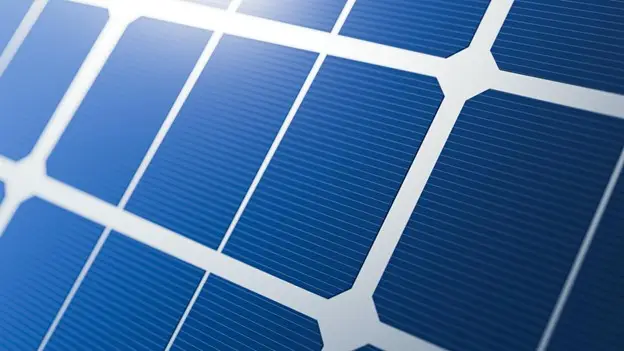
Solar panel efficiency isn’t only about sunlight. The system itself matters too.
Several factors influence how well your system performs.
Panel quality
Higher efficiency panels convert more sunlight into electricity.
Most residential panels today operate between 18% and 22% efficiency.
Inverter performance
The inverter converts solar power into usable electricity for your home.
Efficient inverters reduce energy losses.
Roof direction
Roofs facing south, southeast, or southwest usually produce the most energy.
East- or west-facing roofs still work but generate slightly less power.
Installation quality
Poor installation can reduce performance.
Issues like:
- Incorrect wiring
- Poor panel placement
- Inadequate airflow
can affect efficiency.
This is why choosing experienced installers matters, especially when installing systems like solar panels in Toronto, where roof orientation and weather patterns affect system performance.
Real-World Solar Production: What Homeowners See
In real installations, solar panels rarely operate at their maximum rated efficiency all day.
Instead, production changes throughout the day.
A typical daily pattern looks like this:
- Morning: Power slowly increases as sunlight strengthens
- Midday: Panels reach peak production
- Afternoon: Output gradually declines
Clouds, temperature, and shading can shift this pattern slightly.
Still, across a full year, most residential systems produce more than enough energy to offset a large portion of household electricity use.
Key Factors That Make Solar Panels Most Efficient
To summarize, solar panels perform best under these conditions:
- Bright, direct sunlight
- Midday sun angle
- Cool temperatures
- Minimal shading
- Proper panel tilt and orientation
- Clean panel surfaces
When these conditions align, solar panels operate close to their peak efficiency.
Conclusion
Solar panels are most efficient when they receive direct sunlight during the middle of the day, especially when temperatures remain moderate, and panels are installed at the correct angle.
While weather, seasons, and shading can affect output, modern solar systems are designed to perform reliably throughout the year.
Understanding these factors helps you set realistic expectations and get the most value from your solar investment.
When a system is properly designed and installed, solar energy becomes a steady and dependable source of clean electricity for decades.