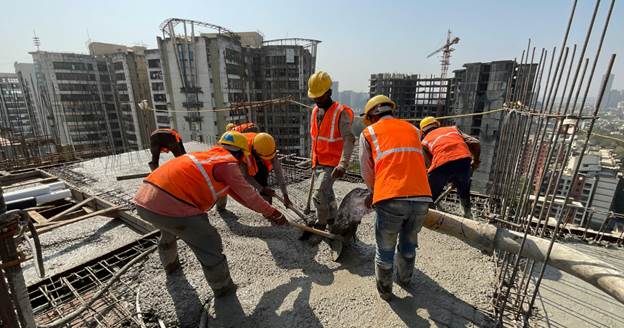
Understand what type of contractor does concrete work. Discover residential, commercial, and flatwork specialists for your home project.
Many homeowners imagine that any general builder can handle a driveway pour or slab foundation with ease.
In reality, pouring liquid stone is an unforgiving trade that leaves zero room for mistakes once the truck arrives.
Hiring a general handyperson instead of a specialized concrete contractor often leads to cracked surfaces, improper drainage, and costly structural fixes later.
Knowing what type of contractor does concrete work ensures you hire the exact trade professional required for your specific property needs.
Specialty trades handle distinct steps of the construction process.
Depending on whether you need a decorative patio, a load-bearing foundation, or a simple sidewalk repair, the right crew brings specific tools, mixed materials, and structural skills to the job site.
Residential Flatwork Contractors
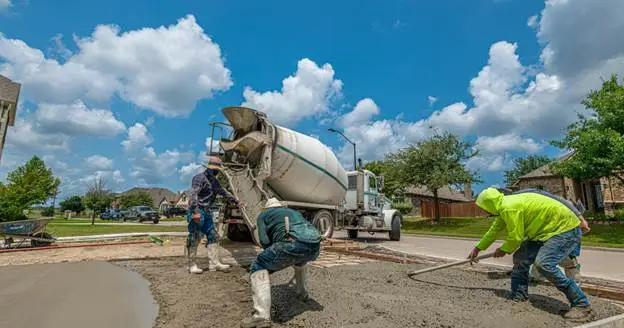
Residential flatwork specialists focus on flat horizontal surfaces around homes.
If you need a new driveway, patio, walkway, or pool deck, this is the professional you hire.
These specialists excel at:
- Site Preparation: Excavating dirt and setting wood or metal forms to shape the pour.
- Subbase Grading: Packing gravel base layers to stop future shifting and cracking.
- Pouring and Leveling: Spreading wet mix evenly across the set area.
- Surface Finishing: Applying broom finishes for traction or smooth troweling for indoor floors.
According to the U.S. Bureau of Labor Statistics, specialty trade contractors employ most cement masons and finishers across the country.
Flatwork specialists know how weather impacts dry times and quickly seal surfaces before moisture escapes.
Foundation and Structural Contractors
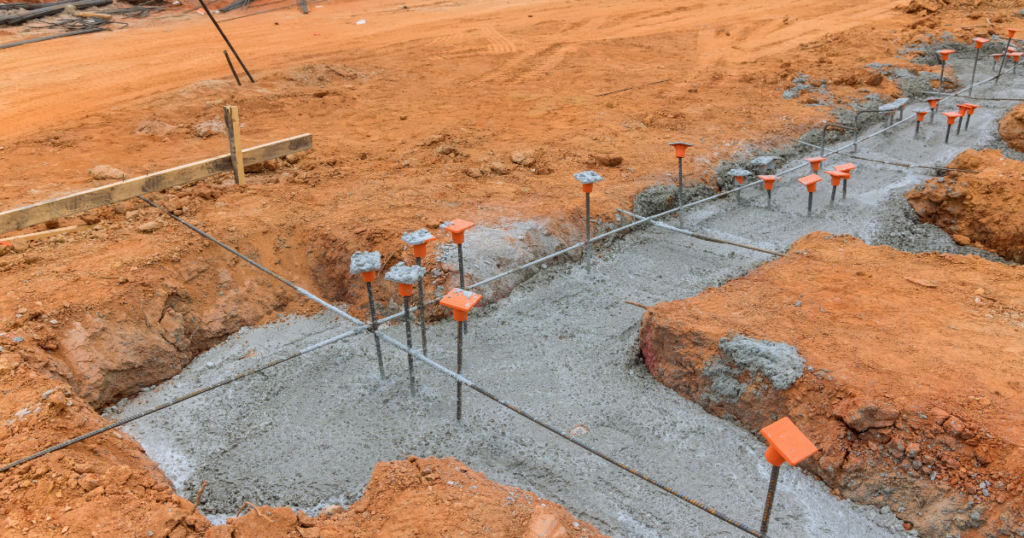
Foundation contractors handle heavy-duty, load-bearing work.
They build the structural elements that hold up houses, garages, and large buildings.
Their core services include:
- Poured Concrete Footings: Deep concrete bases that support building walls.
- Basement Walls: Thick, steel-reinforced walls designed to hold back soil and groundwater.
- Slab-on-Grade Foundations: Direct ground slabs for house pads and garage spaces.
- Retaining Walls: Heavy walls engineered to hold back soil on sloped properties.
These builders work closely with structural engineers.
They must follow strict residential building codes, like those established by the American Concrete Institute, to guarantee structural integrity.
Decorative and Stamped Finishers
Decorative specialists treat wet slabs like an artistic canvas.
Instead of basic gray slabs, they transform surfaces to look like natural stone, slate, brick, or wood planks.
Common decorative techniques include:
- Stamped Finishes: Pressing rigid rubber mats into wet slabs to create realistic textures.
- Staining and Dyeing: Applying acid- or water-based stains for rich colors.
- Exposed Aggregate: Washing away top cement paste to reveal embedded river rocks or stones.
- Polished Surfaces: Grinding cured indoor floors with diamond pads for a glossy sheen.
Beyond basic patterns, these specialists can also apply protective sealers that shield the colored surface from sun fading and harsh weather damage.
This extra layer keeps the custom textures looking crisp while preventing moisture from seeping into the decorative finish over time.
Choosing a decorative specialist requires checking their past project portfolios.
The artistic skill needed for consistent pattern stamping takes years to master.
Commercial and Civil Trade Specialists
Commercial contractors manage large-scale industrial projects rather than residential home repairs.
Their work covers:
- Parking Lots and Roads: Thick slabs built to hold constant heavy vehicle traffic.
- High-Rise Framing: Post-tensioned slabs and reinforced elevator shafts.
- Public Sidewalks and Curbs: Municipal work following strict accessibility guidelines.
Commercial crews use heavy machinery like laser screeds and riding power trowels to finish thousands of square feet in a single shift.
These large-scale projects often require specialized mix designs engineered to handle heavy weight and constant daily wear.
Commercial contractors must work around strict project deadlines while coordinating with city inspectors and other construction crews on active build sites.
They also use specialized testing methods to make sure the thick slabs cure evenly without weakening under high stress.
Investing in these heavy-duty techniques keeps public infrastructure safe and prevents major repair delays on busy commercial properties.
How to Choose the Right Specialist
Matching your project to the right trade saves time and prevents structural failures.
Use this simple checklist before signing a contract:
- Verify Licensing and Insurance: Make sure the company has valid liability coverage and state licensing for trade work.
- Review Safety Protocols: Check that the crew follows basic site safety standards. The Occupational Safety and Health Administration sets strict limits on silica dust exposure during cutting and grinding tasks.
- Ask About Concrete Mix Specs: Ask if they use air-entrained mixes for freeze-thaw protection in cold climates.
- Compare Written Quotes: Get detailed estimates breaking down site prep, material volume, reinforcement mesh or rebar, and final cleanup costs.
Hiring the right specialist means your driveway, foundation, or patio remains strong, level, and crack-free for decades.
Knowing what type of contractor does concrete work helps you pick the right expert for your home project.
Conclusion
Picking the right specialist is only half the battle; how you plan your project makes all the difference in how long it lasts.
Concrete is an investment that should easily last 30 years or more when installed by the right trade professional.
Before any crew steps onto your property, take a few proactive steps to ensure a smooth project:
- Check Local Permits: Many cities require permits for driveway aprons, sidewalk work, and structural foundations. Make sure your specialist handles the city paperwork before digging begins.
- Discuss Soil Conditions: Soil shifts with rain and freezing temperatures. A knowledgeable contractor will inspect your dirt ground first to determine how deep your gravel subbase needs to be.
- Plan for Curing Time: Newly poured slabs need time to gain strength. Ask your installer how many days to keep cars, heavy machinery, or foot traffic off the surface.
When you hire a specialized professional who understands the exact chemistry and physical demands of your project type, you avoid costly tear-outs and repairs down the road.
Knowing what type of contractor does concrete work gives you the confidence to ask the right questions, protect your home budget, and get a durable result that adds real value to your property.