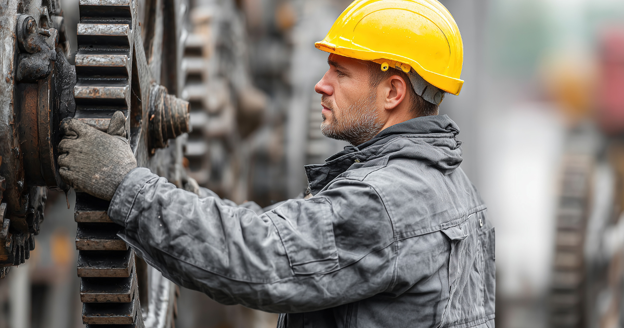
Can diesel mechanic work on cars? Learn which car repairs a diesel mechanic can handle, when you need a specialist, and what to ask before booking.
Should you take it to a diesel mechanic or a regular auto shop?
Well, it depends on the vehicle, the repair, and the mechanic’s training.
But in actual sense, can diesel mechanic work on cars?
Yes, a diesel mechanic can work on many cars, especially cars with diesel engines.
But that does not mean every diesel technician is the right choice for every passenger car repair.
If you need diesel help in the Bryan area, you may also come across diesel repair Bryan as you search for a shop.
The key is to match the technician’s skills with your vehicle and its systems.
A diesel mechanic may be very good at engine diagnostics, fuel systems, electrical faults, brakes, and other repairs.
However, modern passenger cars can have brand-specific electronics and systems that require extra training and diagnostic equipment too.
Can a Diesel Mechanic Work on Cars?
Yes, a diesel mechanic can work on cars. However, the key factor is whether they have the right experience for your specific vehicle.
Diesel technicians are trained to inspect, diagnose, maintain, and repair diesel-powered vehicles.
According to the U.S. Bureau of Labor Statistics, diesel service technicians may work on trucks, buses, and any vehicle with a diesel engine, including passenger vehicles.
This means diesel mechanics are not limited to heavy-duty trucks. Many also service diesel-powered cars, SUVs, and light-duty pickups.
However, the real question is not just whether they can work on cars, but whether they have worked on your type of car and its systems.
What Car Repairs Can a Diesel Mechanic Handle?
A skilled diesel mechanic can perform many of the same repairs as a general automotive technician, especially on mechanical systems.
These include:
- Oil and filter changes
- Brake repairs
- Battery and charging system issues
- Cooling system repairs
- Fuel system diagnosis
- Engine repairs
- Transmission-related work
- Suspension and steering repairs
- Electrical troubleshooting
- Exhaust system repairs
- Computer diagnostics
- Preventive maintenance
The U.S. Bureau of Labor Statistics also notes that diesel technicians test and repair engines, brakes, steering systems, transmissions, and electrical components.
So if your vehicle needs routine maintenance or common mechanical repairs, a diesel mechanic may be fully capable of handling the job.

Diesel Cars Are Different From Gas Cars
Diesel engines operate differently from gasoline engines. They use higher compression, different fuel delivery systems, and more complex emissions controls.
Modern diesel vehicles may include:
- High-pressure fuel injection systems
- Turbochargers
- Exhaust gas recirculation (EGR) systems
- Diesel particulate filters (DPF)
- Selective catalytic reduction (SCR) systems
- Diesel exhaust fluid (DEF) systems
- Advanced sensors and computer controls
These systems require specialized knowledge and diagnostic tools.
A diesel mechanic who works on these systems regularly may have a clear advantage when diagnosing diesel-specific problems.
What About Gasoline Cars?
A diesel mechanic can work on gasoline-powered cars, but with some limitations.
They are often very capable of handling general mechanical repairs such as:
- Brake pads and rotors
- Batteries and alternators
- Starters
- Belts and hoses
- Suspension components
- Wheel bearings
- Basic maintenance services
However, gasoline engines—especially in modern vehicles—rely heavily on manufacturer-specific electronics, software, and fuel management systems.
A technician who mainly works on diesel trucks may not always have deep experience with these systems.
That is why it is important to ask what types of vehicles they regularly service.
When Should You Choose a Diesel Mechanic?
A diesel mechanic is often the best choice when your vehicle has a diesel engine, and the issue is diesel-specific.
Common situations include:
- Fuel injection problems
Diesel fuel systems operate under extremely high pressure and require specialized testing. - Turbocharger issues
Boost leaks, actuator failures, and turbo wear are best handled by someone familiar with diesel turbo systems. - DPF problems
Diesel particulate filters trap soot and require regeneration or cleaning to restore performance. - EGR system faults
Carbon buildup can cause rough running, reduced power, and warning lights. - DEF or SCR system issues
These emissions systems require proper diagnosis rather than guesswork. - Engine performance problems
Hard starting, smoke, poor fuel economy, or loss of power often require diesel expertise.
For these issues, a diesel specialist can often diagnose the problem faster and more accurately.
When Might a Regular Auto Mechanic Be Better?
A general automotive technician may be a better choice for gasoline vehicles or highly specialized electronic issues.
Modern cars often include:
- Engine control modules
- Transmission control systems
- Advanced driver assistance systems
- Brand-specific diagnostic software
These systems require manufacturer-level tools and training.
A good mechanic should always:
- Scan the vehicle properly
- Read and interpret fault codes
- Test components before replacing them
- Follow manufacturer repair procedures
- Confirm the root cause of the issue
This helps avoid unnecessary repairs and higher costs.
Can a Diesel Mechanic Do Regular Maintenance?
Yes. Routine maintenance is not limited to gasoline or diesel specialists.
A diesel mechanic can typically perform:
- Oil changes
- Filter replacements
- Brake inspections
- Fluid checks
- Tire rotations
- Battery testing
- Belt inspections
- Cooling system checks
- General inspections
However, it is important that they use the correct fluids, parts, and service intervals for your specific vehicle.
Using incorrect specifications can still lead to long-term issues.
What Should You Ask Before Choosing a Diesel Mechanic?
Before booking a repair, ask a few simple questions:
1. Have you worked on my vehicle before?
Give them your make, model, year, and engine type.
2. Do you work on diesel cars or mostly trucks?
This helps determine their level of experience with passenger vehicles.
3. Do you have proper diagnostic tools?
Modern vehicles require computer-based diagnostics.
4. Can you complete the entire repair?
Some shops only diagnose and outsource complex work.
5. Will you explain the issue before replacing parts?
A good mechanic should always explain the problem clearly.
Does a Diesel Mechanic Need Special Training?
Yes. Diesel technicians typically receive training in engine systems, fuel systems, electrical diagnostics, and emissions technology.
Some enter the field through hands-on experience, while others complete formal training programs. Many employers also prefer certification.
This training is important because modern diesel systems are no longer purely mechanical.
They rely heavily on electronics, sensors, and computer-controlled systems.
How Do You Know You Found the Right Mechanic?
The right mechanic is the one with the right experience for your vehicle and problem.
Look for someone who:
- Has experience with your vehicle type
- Uses proper diagnostic equipment
- Communicates clearly
- Provides written estimates
- Diagnoses before replacing parts
- Follows manufacturer guidelines
- Has strong customer reviews
A good mechanic should also be willing to answer your questions without pressure or confusion.
Conclusion: Can Diesel Mechanic Work on Cars?
So, can diesel mechanic work on cars? Yes, absolutely.
A diesel mechanic can work on diesel passenger cars and often handle many general automotive repairs as well. The most important factor is not the title, but the technician’s experience with your specific vehicle.
For diesel engine issues, emissions systems, turbochargers, and fuel system problems, a diesel specialist is often the best choice.
For complex gasoline engine electronics or brand-specific systems, a general automotive technician with manufacturer experience may be better.
Before choosing a shop, always ask questions, confirm experience, and make sure the mechanic understands your vehicle.
This helps ensure accurate diagnosis, proper repairs, and fewer unexpected costs.