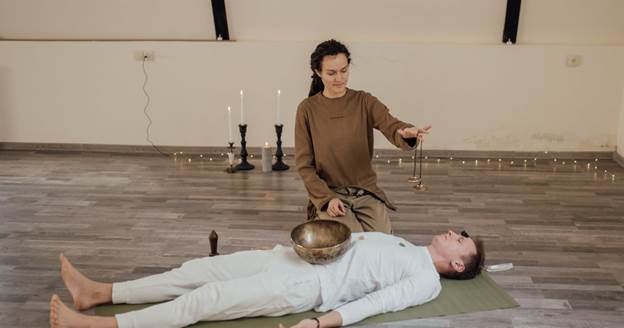
Hypnotherapy vs brainspotting: Compare how each therapy works, their benefits, limitations, and which approach may suit your needs and goals.
Mental health concerns are more common than many people think. According to the World Health Organization (WHO), one in every eight people worldwide lives with a mental health condition, making effective treatment more important than ever.
Anxiety, trauma, stress, low confidence, and unwanted habits affect people of all ages, leading many to look beyond traditional talk therapy for additional support.
As newer therapy approaches become more widely available, one question often comes up: hypnotherapy vs brainspotting which one is the better choice? Both approaches aim to help people create lasting emotional and behavioral change, but they work in very different ways.
If you are considering Hypnotherapy London services, understanding these differences can help you choose the approach that best matches your goals, symptoms, and personal preferences.
Knowing what each therapy offers makes it easier to have informed conversations with a qualified mental health professional.
Hypnotherapy vs Brainspotting: What’s the Difference?
The biggest difference between hypnotherapy vs brainspotting is how each therapy helps the brain process emotions.
- Hypnotherapy uses guided relaxation and focused attention to help change thoughts, habits, and behaviors.
- Brainspotting uses eye position to help the brain process emotional experiences that may be stored below conscious awareness.
Both therapies can support emotional wellbeing, but they are designed differently and may suit different people.
What Is Hypnotherapy?
Hypnotherapy is a therapeutic technique that guides you into a deeply relaxed yet focused state.
During hypnosis:
- You stay awake.
- You remain aware of your surroundings.
- You stay in control.
- You can stop the session if you wish.
The therapist uses carefully chosen suggestions to help you change unwanted thoughts, emotions, or behaviors.
Hypnotherapy is commonly used for:
- Anxiety
- Stress
- Smoking cessation
- Weight management
- Confidence
- Phobias
- Sleep problems
What Is Brainspotting?
Brainspotting is a relatively newer therapy developed by Dr. David Grand in 2003.
The therapist helps identify specific eye positions, known as “brainspots” that may connect to stored emotional experiences.
Instead of focusing mainly on talking, brainspotting encourages the brain to naturally process unresolved emotions.
It is often used for:
- Trauma
- PTSD
- Anxiety
- Grief
- Emotional distress
- Performance anxiety
Many therapists also combine it with other forms of therapy.
How Does Hypnotherapy Work?
Hypnotherapy works by helping you become highly focused and relaxed.
In this state, your mind may become more open to healthy suggestions.
A therapist may help you:
- Replace unhealthy habits
- Build confidence
- Reduce fear
- Improve motivation
- Develop healthier coping skills
Research from the National Center for Complementary and Integrative Health (NCCIH) notes that hypnosis may help with certain conditions, although results vary depending on the individual and the condition being treated.
How Does Brainspotting Work?
Brainspotting focuses less on suggestions and more on allowing the brain to process emotional experiences naturally.
During treatment, the therapist watches for subtle physical responses such as:
- Eye movements
- Facial expressions
- Changes in breathing
- Emotional reactions
The goal is to help the nervous system process emotional experiences that may still affect daily life.
Although many therapists report positive outcomes, research into brainspotting is still growing.
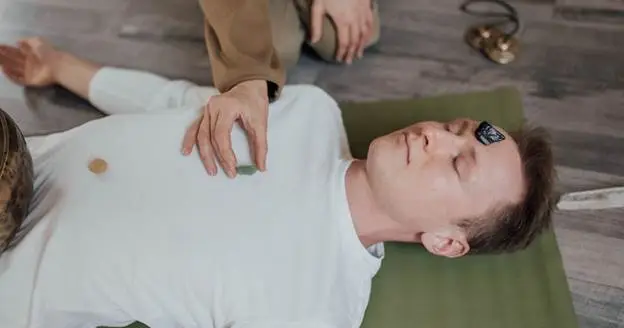
Hypnotherapy versus Brainspotting for Anxiety
Both therapies may help with anxiety, but they approach it differently.
· Hypnotherapy
May help by:
- Reducing anxious thoughts
- Building relaxation skills
- Changing negative thinking
- Increasing confidence
· Brainspotting
May help by:
- Processing unresolved emotional experiences
- Reducing physical stress responses
- Helping the brain release stored emotional tension
Which approach works better depends on what is driving the anxiety.
Hypnotherapy versus Brainspotting for Trauma
Trauma is one area where many people compare these therapies.
Hypnotherapy may help someone:
- Build emotional resilience
- Reduce fear
- Manage anxiety linked to trauma
Brainspotting often focuses more directly on helping the brain process traumatic memories without requiring detailed discussion.
However, trauma treatment should always be guided by a qualified mental health professional.
The National Institute of Mental Health (NIMH) recommends evidence-based therapies as part of trauma treatment plans.
Similarities Between Both Therapies
When comparing hypnotherapy versus brainspotting, there are several similarities.
Both therapies:
- Are non-invasive
- Can support emotional wellbeing
- Aim to create lasting change
- Work alongside traditional counseling
- Require active participation
Neither does therapy involve medication.
Key Differences
| Hypnotherapy | Brain spotting |
| Uses guided suggestions | Uses eye position |
| Focuses on changing thoughts and behaviors | Focuses on processing emotional experiences |
| Deep relaxation is common | Relaxation may occur naturally |
| Often goal-focused | Often emotion-focused |
| Frequently used for habits and confidence | Frequently used for trauma and emotional distress |
Which Therapy Has More Research?
Hypnotherapy has been studied for several decades.
There is evidence supporting its use for certain conditions, including pain management, anxiety, and some behavioral problems, although results vary depending on the condition.
Brainspotting is newer.
Early studies and clinical reports are encouraging, but researchers agree that more large-scale studies are needed before stronger conclusions can be made.
Knowing this is important when comparing hypnotherapy vs brainspotting.
Which Therapy Is Right for You?
The answer depends on your goals.
Hypnotherapy may suit you if you want help with:
- Smoking
- Weight loss
- Confidence
- Stress
- Habit change
- Motivation
Brainspotting may suit you if you are working through:
- Trauma
- PTSD
- Emotional triggers
- Performance anxiety
- Difficult emotional memories
Some therapists recommend combining approaches depending on your needs.
Choosing a Qualified Therapist
No matter which therapy you choose, experience matters.
Before booking, ask:
- What qualifications do you have?
- What conditions do you treat?
- How many sessions do you usually recommend?
- Have you worked with people facing similar concerns?
- Do you combine different therapies when appropriate?
If you are searching for a Hypnotherapist London, choosing someone who understands your goals and has experience with your specific concern is often more important than choosing a particular therapy method.

Conclusion
When comparing hypnotherapy vs brainspotting, there is no single answer that works for everyone. Both therapies aim to improve emotional well-being, but they do so in different ways.
Hypnotherapy focuses on changing thoughts, behaviors, and habits through guided relaxation and positive suggestion, while brainspotting focuses on helping the brain process emotional experiences that may still be affecting you.
The best choice depends on your goals, symptoms, and personal preferences. Speaking with a qualified mental health professional can help you decide which approach fits your needs. In some cases, combining therapies may provide the strongest support for long-term emotional health.