How often should main drain be cleaned? Learn the signs, causes of buildup, and when routine cleaning can help prevent costly sewer backups.
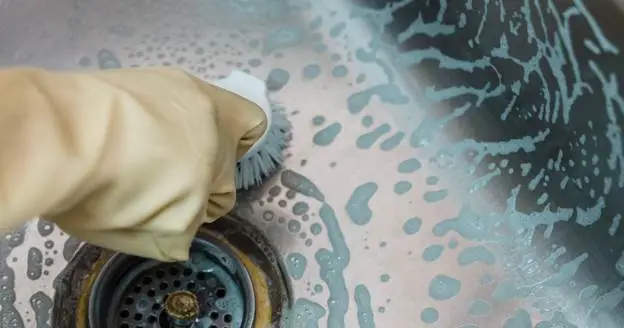
Many homeowners assume a main drain only needs cleaning when it becomes completely clogged.
That sounds reasonable, but waiting for a backup can turn a small buildup into a messy and expensive problem.
How often should main drain be cleaned?
There is no single schedule that works for every home.
The right timing depends on the age and condition of your sewer line, what goes down your drains, tree roots, past blockages, and how your plumbing behaves.
A home with an older sewer line or repeated backups may need more frequent attention than a newer home with a healthy pipe.
In some locations, factors such as aging pipes, soil movement, and tree root growth can also affect drainage systems.
If you need professional advice about a recurring drain issue, a Plumber Westminster CO can inspect the problem and help determine whether cleaning, a camera inspection, or repair makes sense.
The key is to look at the condition of the drain instead of relying on a calendar alone.
How Often Should Main Drain Be Cleaned?
For many homes, main drain cleaning every 1 to 2 years may be a reasonable preventive starting point, especially when the property has a history of slow drainage or blockages.
However, this is not a rule for every household.
The U.S. Environmental Protection Agency notes that sewer cleaning programs should consider the actual condition and blockage history of individual lines rather than treating every pipe the same.
Areas that repeatedly develop blockages may need more frequent cleaning.
Your plumber may recommend:
- Every 1–2 years for a home with recurring buildup
- More often if roots, grease, or repeated clogs are present
- Less often when the line is newer and has no history of problems
- Immediate cleaning or inspection when warning signs appear
The goal is not to clean a pipe just because a certain number of months have passed.
It is to keep wastewater moving freely and catch problems before they become backups.
Signs Your Main Drain Needs Cleaning
Your plumbing often gives you warning signs before a major blockage happens.
Watch for:
1. Several Drains Are Slow

If your kitchen sink, shower, and bathroom drains are all slowing down around the same time, the problem may be deeper in the plumbing system.
A single slow sink can have a local clog.
Several slow fixtures can point toward the main drain.
2. Toilets Gurgle When Water Runs
A bubbling or gurgling toilet can happen when air is trapped because wastewater cannot move normally through the drain line.
It should not be ignored when it happens repeatedly.
3. Water Backs Up into Another Fixture
For example, you flush the toilet and water rises in the shower.
Or you run the washing machine, and water appears in a floor drain.
That can indicate a restriction in the main line.
4. Bad Sewer Smells
A strong sewage odor around drains or outside near a sewer access point may signal a drainage problem.
It can also point to a damaged pipe or other plumbing issue, so an inspection may be needed.
5. Repeated Clogs
If you keep using a drain snake or chemical cleaner but the same problem returns, the blockage may be farther down the line.
Repeated blockages are a reason to look for the underlying cause instead of treating the same symptom repeatedly.
What Causes Main Drain Buildup?
Main drains carry wastewater from multiple fixtures.
Over time, different materials can collect inside the pipe.
Common causes include:
- Grease and cooking fats
- Hair and soap residue
- Paper and other debris
- Mineral buildup
- Tree roots entering cracks or joints
- Damaged or misaligned pipes
- Old pipes with rough or deteriorated interiors
Tree roots deserve special attention.
They can enter cracks or open joints and become tangled with grease and other debris, making blockage worse over time.
What you put down your drains also matters.
The EPA advises homeowners not to pour cooking grease or oil down drains and not to flush items such as wipes, paper towels, dental floss, and other materials that can cause plumbing problems.
Does Main Drain Cleaning Prevent Sewer Backups?
It can help, but cleaning is not a guarantee.
If the main drain is dirty because of grease, sediment, or other buildup, professional cleaning can remove the material and restore flow.
Hydro jetting, for example, uses high-pressure water to remove stubborn buildup from inside the pipe.
But cleaning cannot permanently fix a pipe that is cracked, collapsed, badly shifted, or repeatedly invaded by roots.
That is why a camera inspection can be valuable when the same blockage keeps coming back.
A camera lets a plumber see what is happening inside the line instead of guessing.
If roots or pipe damage are present, cleaning may only provide temporary relief.
The underlying pipe problem may need to be addressed.
When Is a Main Drain Problem an Emergency?
A completely blocked main drain can become an urgent plumbing problem when wastewater starts backing up into the home.
Act quickly if:
- Sewage is coming through a shower or floor drain.
- Multiple toilets or drains stop working.
- Wastewater is backing up repeatedly.
- A sewer line appears to have collapsed.
- You notice sewage odors together with drainage problems.
If wastewater is entering your home, contact an emergency plumber Westminster CO promptly.
Avoid using toilets, showers, washing machines, and other fixtures until the cause is identified.
Continued water use can send more wastewater into the backed-up line.
How to Reduce the Need for Main Drain Cleaning
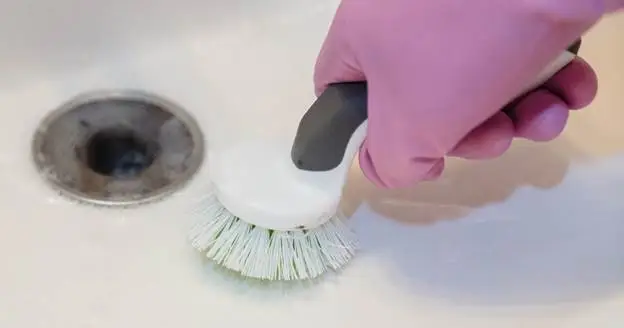
You cannot prevent every sewer problem, but good habits can reduce unnecessary buildup.
Do not pour grease down the sink.
Let it cool and dispose of it properly.
Flush only toilet paper and human waste.
Even products labeled “flushable” can contribute to sewer problems.
Be careful with your garbage disposal.
Large amounts of food waste can add solids and grease to the drainage system.
Pay attention to early warning signs.
A slow drain is easier to investigate than a sewage backup.
Keep records of previous problems.
Knowing how often a blockage occurs can help your plumber identify a pattern.
Conclusion
So, how often should main drain be cleaned?
There is no universal schedule.
A healthy, newer sewer line may go years without professional cleaning, while a line affected by roots, grease, age, or recurring blockages may need attention much more often.
The best approach is to base cleaning on the condition of the pipe and its history, not just the calendar.
If your drains are repeatedly slow, gurgling, backing up, or producing sewage odors, do not wait for a complete blockage.
A professional drain cleaning and, when appropriate, a sewer camera inspection can identify the cause and help you decide what should happen next.